

Apex Spine Joint & Wellness Blog
Apex Spine Joint & Wellness Blog
Learn more about chiropractic care in our blog!

Do you feel a sharp pain in your heel when you take your first steps in the morning? Does the pain improve after walking for a few minutes but return after sitting or standing for a long time? These are common signs of plantar fasciitis, a condition that affects the thick band of tissue along the bottom of your foot...

Walking through a grocery store should be simple. But what if your legs start aching or feeling heavy after just a few minutes? You lean forward on the shopping cart, and the discomfort eases. When you stand upright and start walking again, the pain returns.

Scoliosis is a condition that causes the spine to curve sideways and rotate. From behind, the spine may appear to form a “C” or “S” shape instead of a straight line. This can make one shoulder sit higher than the other, create an uneven waistline, or change how a person stands.

You bend down to pick up a laundry basket, and a dull ache settles into your lower back. A few days later, the discomfort starts traveling into your buttock or leg. Then an MRI report arrives with a phrase that raises more questions than answers: “Disc bulge at L4-L5.”

While many of the symptoms above can be caused by an array of different things, craniocervical instability is a commonly overlooked, unknown, and misdiagnosed condition in all health fields. It is not talked about or studied in mainstream academia. If it is, conversations are only geared around the most serious of cases requiring surgery…..rest assure, surgery can be avoided with you!
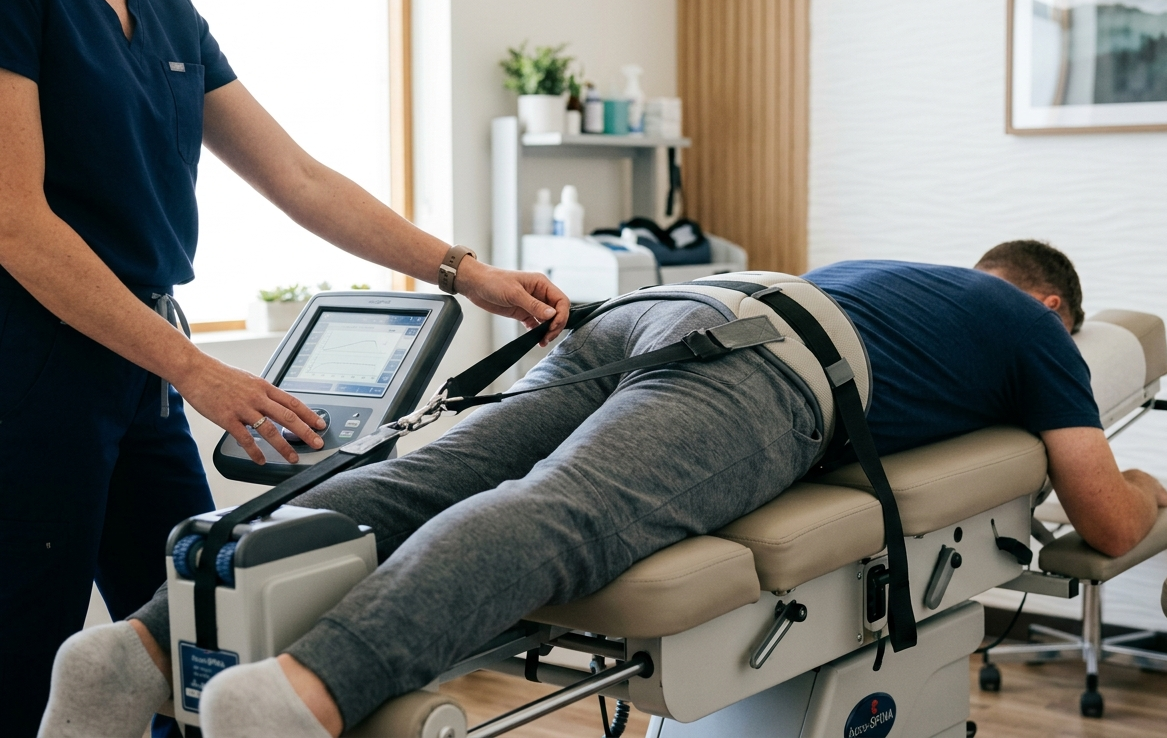
If back or neck pain keeps returning despite rest, activity changes, or other conservative care, you may have heard about spinal decompression. But what is spinal decompression, and does it actually help?
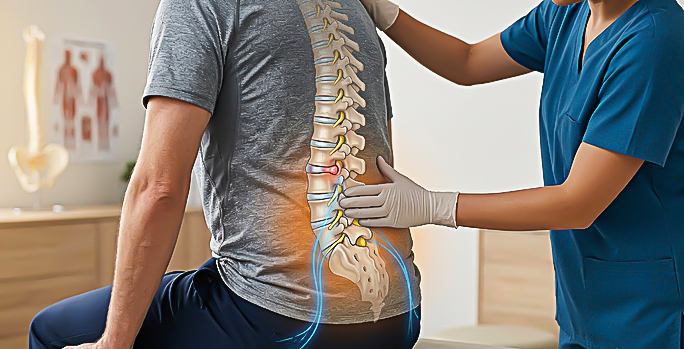
If you have sharp back pain that shoots into your leg, unexplained tingling or numbness, or pain that becomes worse with certain movements, you may wonder: what does a herniated disc feel like?
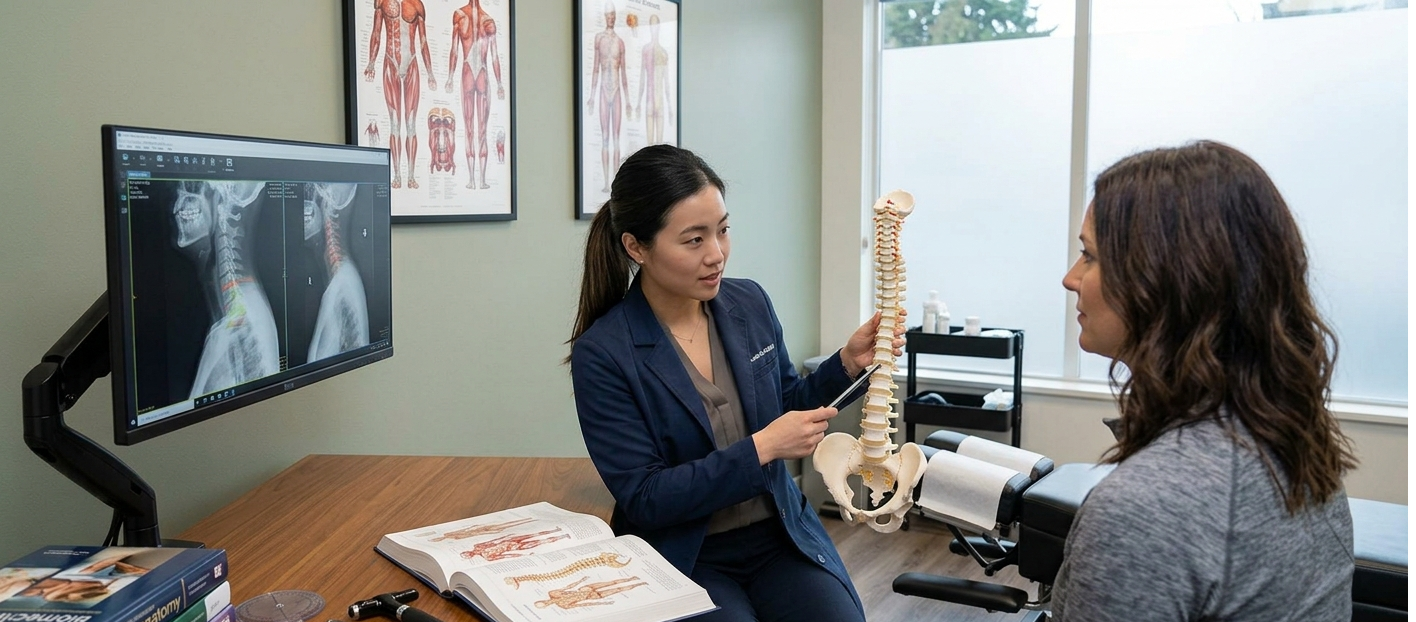
If you have ever wondered, " Do chiropractors go to medical school, the short answer is no. Chiropractors and medical doctors follow different educational and licensing pathways, even though both study many areas of health science and receive extensive clinical training.
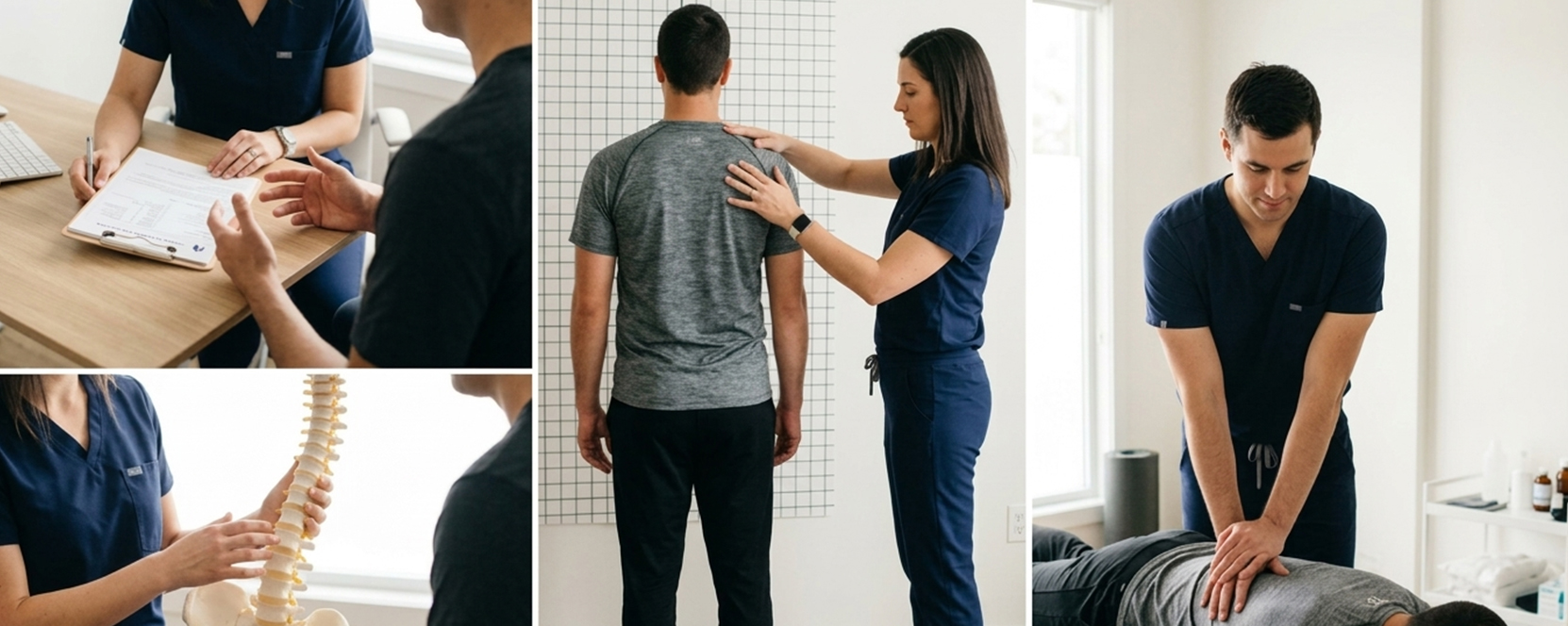
Back pain, neck stiffness, headaches, joint discomfort, and injuries can make everyday activities harder than they should be. When people start looking for conservative ways to manage these problems, one question often comes up: what do chiropractors do?
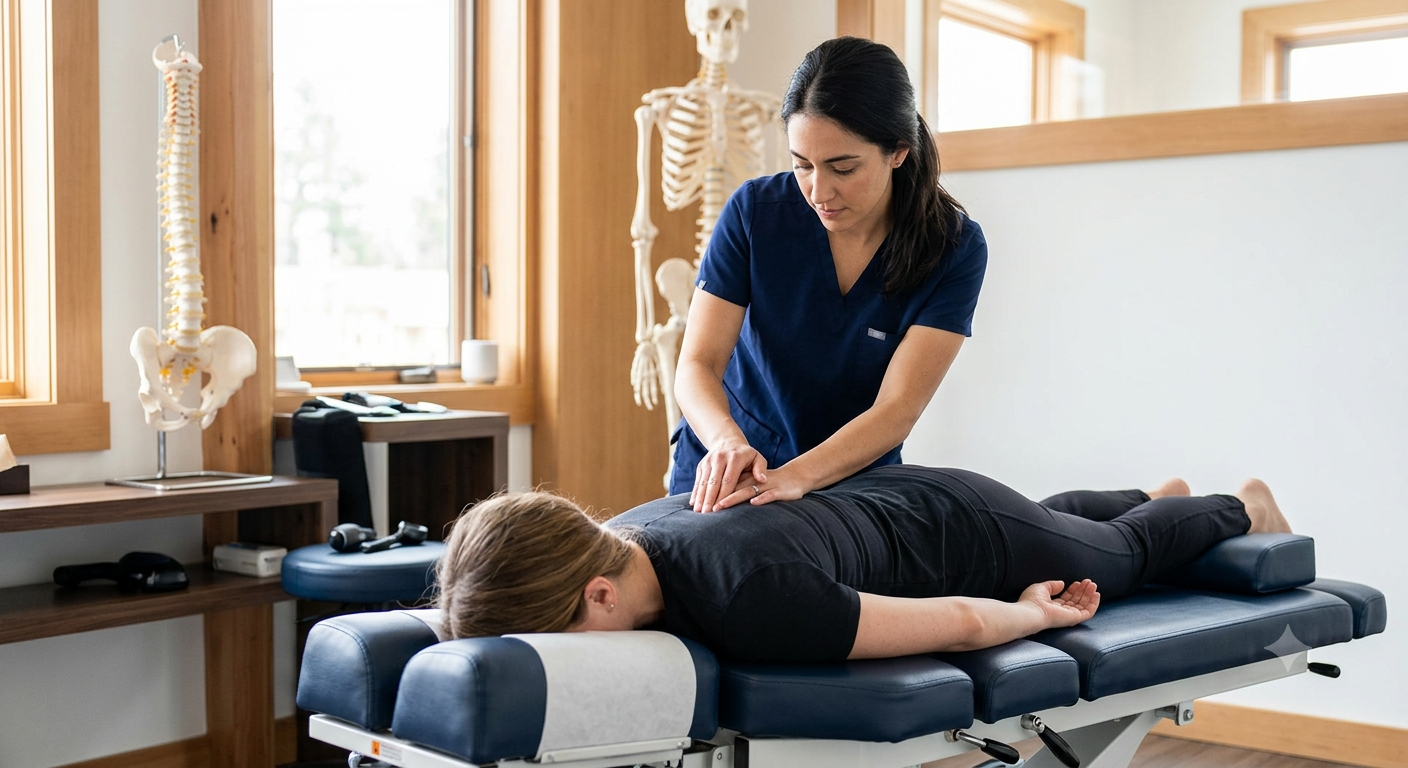
If you have never had chiropractic care before, you may wonder what actually happens during an adjustment. Is it painful? Why does it sometimes make a popping sound? And what can a chiropractic adjustment really do for back, neck, or joint pain?


Contact Us
Hours of Operation
- Monday 8:30am - 12:30pm | 3:00pm - 6:00pm
- Tuesday 8:30am - 12:30pm | 3:00pm - 6:00pm
- Wednesday 8:30am - 12:30pm | 3:00pm - 6:00pm
- Thursday 8:30am - 12:30pm | 3:00pm - 6:00pm
- Friday 8:30am - 12:30pm
- Saturday Closed
- Sunday Closed

© 2026 Apex Spine Joint & Wellness. All rights Reserved. Accessibility Statement - Privacy Policy - Sitemap
Powered by:
