

Can a Chiropractor Help With Sciatica? A Complete Guide for Fayetteville, AR Patients
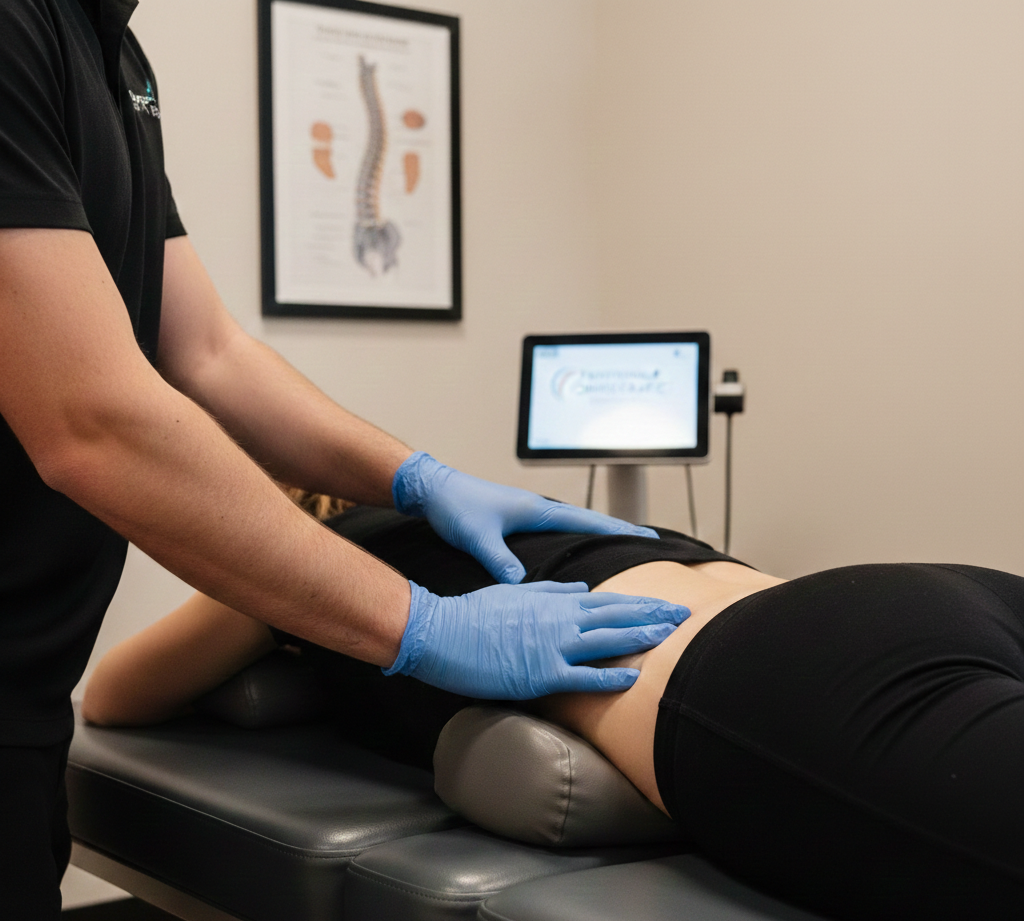
Table Of content :-
1. Introduction
2. Understanding Sciatica and Chiropractic Care
3. How Chiropractic Care May Help Sciatica
4. Chiropractic Techniques Commonly Used for Sciatica
5. About Apex Spine Joint & Wellness in Fayetteville, AR
6. Conditions Commonly Addressed Alongside Sciatica
7. Is Chiropractic Care Safe for Sciatica?
8. When to See a Chiropractor for Sciatica
9. Frequently Asked Questions
Sciatica can trigger a pain that starts at the low back and then goes through the hips and all the way to the legs. This kind of pain that is related to nerves can limit a person's ability to perform everyday activities and thus it can have a great impact on their life.
A lot of patients from Fayetteville, Arkansas turn to the non-surgical alternatives to get rid of sciatica symptoms. An expert chiropractor for sciatica in Fayetteville AR aims at enhancing the motion of the spine and taking away the irritation of the nerves by means of manual, non-invasive treatment.
Understanding Sciatica and Chiropractic Care
Sciatica usually manifests when the sciatic nerve gets irritated as a result of restricted movement in the spine, problems related to the disc, or alignment issues in the pelvis or lower spine. The irritation may cause pain, tingling, numbness, or weakness that spreads down the leg.
Chiropractic care in Fayetteville allows chiropractors to assess spinal alignment, posture, and joint mobility in order to pinpoint the factors that might be causing the sciatic nerve irritation. A Chiropractor for sciatica in Fayetteville AR intends to tackle the mechanical issues instead of just concealing the symptoms.
How Chiropractic Care May Help Sciatica
A Chiropractor for sciatica in Fayetteville AR works to reduce stress on the spine and nervous system by improving joint motion and alignment. Chiropractic care does not rely on medication or surgery. Instead, it focuses on restoring natural movement patterns and supporting nervous system function.
Chiropractic care may help by:
Improving spinal and pelvic mobility
Reducing pressure on irritated nerves
Supporting better posture and movement habits
Addressing mechanical causes of leg and back pain
Individuals looking for a back pain chiropractor in Fayetteville AR often choose chiropractic care because it targets the source of nerve irritation.
Chiropractic Techniques Commonly Used for Sciatica
Chiropractic care is personalized based on each patient’s assessment. Common techniques used to support sciatica care include:
Spinal Adjustments
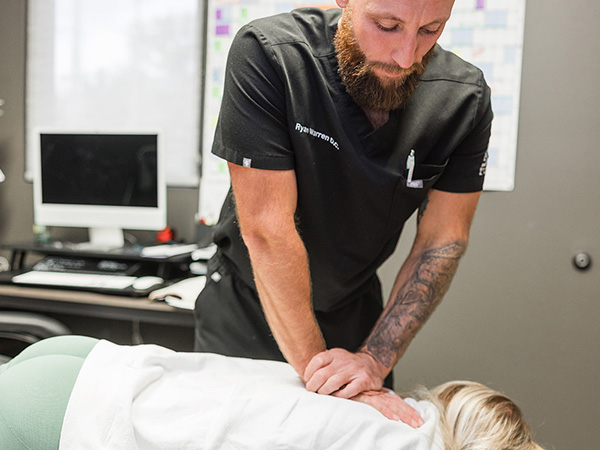
A chiropractic adjustment in Fayetteville involves controlled movements applied to specific joints to improve mobility and reduce stiffness that may affect nerve pathways.
Spinal Decompression
Chiropractic spinal decompression in Fayetteville AR may be used to reduce pressure on spinal discs, particularly in cases where disc-related changes contribute to nerve irritation.
Disc-Related Care
For patients experiencing disc-related sciatica, chiropractic care for disc injury in Fayetteville AR focuses on improving spinal mechanics to support nerve comfort.
These approaches are commonly explored by individuals searching for a chiropractor for back pain in Fayetteville AR or leg pain related to sciatica.
About Apex Spine Joint & Wellness in Fayetteville, AR
Apex Spine Joint & Wellness is a chiropractic clinic located in Fayetteville, Arkansas, providing chiropractic care to the local community.
Clinic Name: Apex Spine Joint & Wellness
Address: 1583 Main Dr, Fayetteville, AR 72704
Phone: (479) 443-0800
Website: https://www.bestfayettevillechiropractor.com/
Clinic Hours
Monday: 8:30 am – 12:30 pm and 3:00 pm – 6:00 pm
Tuesday: 8:30 am – 12:30 pm and 3:00 pm – 6:00 pm
Wednesday: 8:30 am – 12:30 pm and 3:00 pm – 6:00 pm
Thursday: 8:30 am – 12:30 pm and 3:00 pm – 6:00 pm
Friday: 8:30 am – 12:30 pm
Saturday and Sunday: Closed
The clinic provides chiropractic care focused on spinal health, joint mobility, and nerve-related conditions, including sciatica.
Conditions Commonly Addressed Alongside Sciatica
In addition to sciatica, chiropractic clinics in Fayetteville commonly support patients dealing with:
Lower back pain
Leg pain and nerve discomfort
Disc-related spinal issues
Joint stiffness
Postural strain
Muscle tension
Chiropractic care often involves customised plans designed around individual movement patterns and daily activity levels.
Is Chiropractic Care Safe for Sciatica?
When provided by a licensed professional, chiropractic care is widely used as a non-invasive approach for managing nerve-related discomfort, including sciatica. Chiropractors assess each patient carefully to determine appropriate care strategies based on health history and physical findings.
Patients are encouraged to discuss symptoms, medical conditions, and comfort levels before beginning care.
When to See a Chiropractor for Sciatica
You may consider visiting a Chiropractor for sciatica in Fayetteville AR if you experience:
Persistent lower back pain
Pain radiating down the leg
Numbness or tingling sensations
Discomfort affecting daily movement
Early assessment may help identify contributing spinal or movement-related factors.
Frequently Asked Questions
How does chiropractic treatment in Fayetteville help relieve sciatica pain?
Chiropractic care focuses on improving spinal movement and reducing mechanical stress on the sciatic nerve.
Can spinal decompression therapy in Fayetteville reduce leg pain caused by sciatica?
Spinal decompression therapy in Fayetteville may help reduce disc pressure that contributes to nerve irritation.
Is a chiropractic adjustment in Fayetteville effective for disc-related sciatica?
A chiropractic adjustment in Fayetteville may support joint mobility and spinal mechanics associated with disc-related sciatica.
When should you see a chiropractor for back and leg pain in Fayetteville AR?
You should consider care when pain persists, limits mobility, or interferes with everyday activities.

Contact Us
Hours of Operation
- Monday 8:30am - 12:30pm | 3:00pm - 6:00pm
- Tuesday 8:30am - 12:30pm | 3:00pm - 6:00pm
- Wednesday 8:30am - 12:30pm | 3:00pm - 6:00pm
- Thursday 8:30am - 12:30pm | 3:00pm - 6:00pm
- Friday 8:30am - 12:30pm
- Saturday Closed
- Sunday Closed

© 2026 Apex Spine Joint & Wellness. All rights Reserved. Accessibility Statement - Privacy Policy - Sitemap
Powered by:
