

Sciatica and Lower Back Pain: Causes, Symptoms, Treatment & Relief
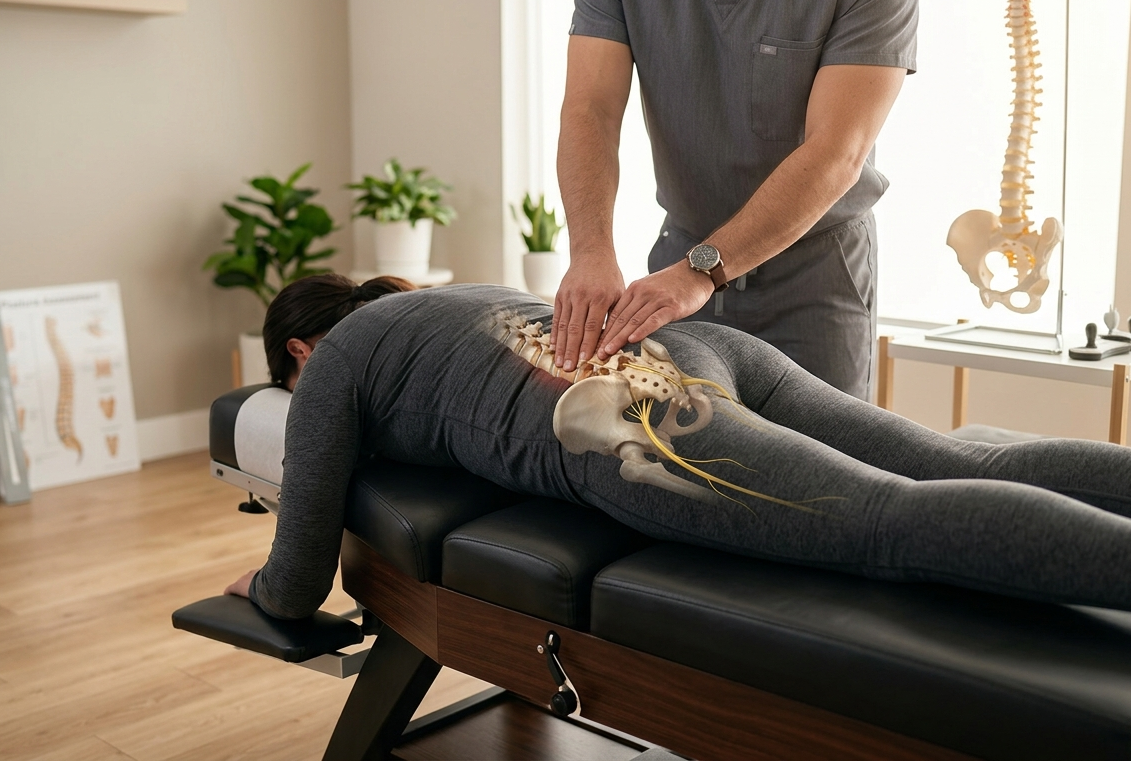
Table of Contents
What Causes Sciatica and Lower Back Pain?
What Are the Common Symptoms of Sciatica?
What Are the Treatment Options for Sciatica?
How Can You Get Sciatica Pain Relief?
When Should You See a Back Pain Chiropractor?
Chiropractic Care for Sciatica and Lower Back Pain in Fayetteville, AR
Introduction
If you are dealing with sciatica and lower back pain, even simple movements can become frustrating. Sitting at work, getting out of the car, bending over, or trying to sleep can suddenly bring on pain that makes your entire day harder.
Sciatica and lower back pain often occur together, but they are not the same problem. Lower back pain can come from muscles, joints, discs, ligaments, or other structures around the spine. Sciatica specifically refers to pain or other symptoms involving the sciatic nerve, often traveling from the lower back or buttock into the leg.
The good news is that many cases can be managed with conservative care. The right approach depends on what is causing the symptoms, how severe they are, how long they have lasted, and whether there are any warning signs that require medical evaluation.
This guide explains what causes sciatica and lower back pain, common symptoms, treatment options, stretches, practical relief strategies, and when seeing a back pain chiropractor may make sense.
What Is Sciatica?
So, what is sciatica? Sciatica describes symptoms involving the sciatic nerve, which runs from the lower back through the buttocks and into the legs. When this nerve or one of its contributing nerve roots becomes irritated or compressed, you may experience pain, tingling, numbness, or weakness along the affected pathway.
Sciatica is a symptom rather than a disease by itself. That distinction is important because the underlying cause can differ from person to person.
For example, one person may develop symptoms following a disc problem, while another may experience nerve irritation associated with changes in the spine or surrounding tissues.
Sciatic symptoms commonly affect one side of the body. The discomfort may feel:
Sharp or shooting
Burning
Electric-like
Aching
Tingling or "pins and needles"
Numb or weak in certain areas
Some people primarily feel pain in the buttock and leg rather than directly in the lower back.
Research on spinal manipulation for sciatica is more limited than the evidence for nonspecific low-back pain. NCCIH notes that some research suggests manipulation may help sciatica, but studies have important limitations.
That is why an individualized assessment matters before assuming that every episode of leg pain is sciatica.
What Causes Sciatica and Lower Back Pain?
Understanding what causes sciatica and lower back pain is one of the most important steps toward choosing appropriate treatment.
There is no single cause. Lower back pain can develop from many different structures and circumstances, while sciatica usually involves irritation or compression affecting the sciatic nerve or its nerve roots.
Common contributors include:
Herniated or Bulging Disc
The discs between the vertebrae help absorb movement and load. When a disc becomes damaged or protrudes, it can sometimes irritate a nearby nerve root and contribute to symptoms traveling down the leg.
Spinal Changes
Changes associated with aging can affect the joints, discs, and spaces through which nerves travel. In some people, these changes can contribute to nerve irritation.
Spinal Stenosis
Spinal stenosis occurs when spaces around the spinal cord or nerves become narrower. Depending on the location and severity, this can contribute to leg symptoms, particularly during standing or walking.
Muscle and Movement Factors
Muscle tightness, reduced mobility, weakness, or repetitive movement patterns may contribute to lower back discomfort. However, these factors should not automatically be assumed to be the cause of nerve pain.
Injury or Physical Strain
Lifting, twisting, repetitive work, sports, falls, and other physical activities can sometimes trigger back pain or aggravate an existing problem.
Prolonged Sitting
Long periods of sitting may aggravate symptoms in some people, particularly when combined with limited movement throughout the day.
Pregnancy
Pregnancy can change posture, body mechanics, and the distribution of load through the lower back and pelvis. Some people experience back or leg discomfort during pregnancy and should discuss appropriate treatment options with their healthcare provider.
Sciatica vs. Lower Back Pain
It is useful to distinguish sciatica and lower back pain.
Lower back pain may remain localized around the lumbar region. Sciatica is more likely to involve symptoms traveling from the lower back or buttock into the leg.
However, symptoms can overlap. A professional evaluation can help determine whether the problem appears to involve muscles, joints, discs, nerves, or another structure.
What Are the Common Symptoms of Sciatica?
Knowing what sciatica symptoms are can help you recognize when your symptoms may involve nerve irritation.
Common symptoms may include:
Pain traveling from the lower back or buttock into the leg
Burning or shooting pain
Tingling or pins-and-needles sensations
Numbness in the leg or foot
Weakness in the affected leg or foot
Pain that changes with certain positions
Difficulty sitting comfortably
Symptoms that worsen with coughing, sneezing, or straining in some cases
Sciatica does not necessarily feel identical in every person. You might experience intense leg pain with very little back pain, while another person may have substantial lower back discomfort along with milder leg symptoms.
When Sciatica Symptoms Need Prompt Medical Attention
Not every episode of back or leg pain requires emergency care, but certain symptoms should never be ignored.
Seek urgent medical evaluation if back pain or leg symptoms are accompanied by:
New loss of bladder or bowel control
Numbness around the groin or inner thighs
Severe or rapidly progressing weakness
Significant weakness affecting walking
Major trauma
Fever with severe back pain
Unexplained weight loss or other concerning systemic symptoms
These symptoms can indicate a more serious condition requiring prompt medical assessment.
What Are the Treatment Options for Sciatica?
If you are wondering what the treatment options for sciatica are, the answer depends on the underlying cause.
There is no single "best treatment for sciatica" that works for everyone.
A healthcare professional may recommend a combination of approaches depending on your symptoms and examination findings.
Conservative Care
For many uncomplicated cases, conservative management may include staying appropriately active, modifying aggravating activities, exercise, and other noninvasive treatments.
Avoiding all movement for long periods is generally not the goal. Your activity level should be adjusted according to your symptoms and professional guidance.
Exercise and Physical Rehabilitation
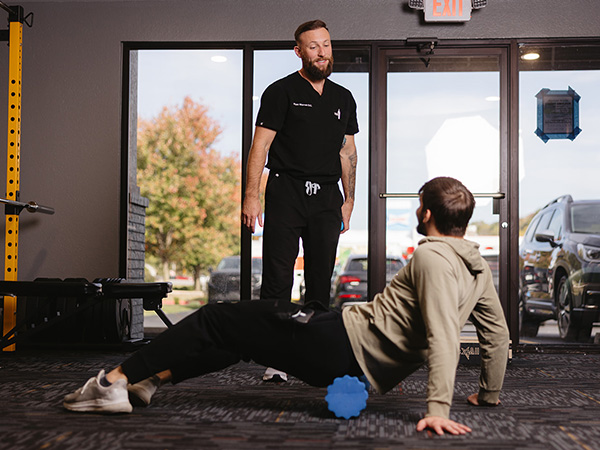
A structured exercise program can help improve strength, mobility, movement control, and confidence.
Depending on the condition, exercises may focus on the core, hips, legs, spinal mobility, or general conditioning.
Chiropractic Care
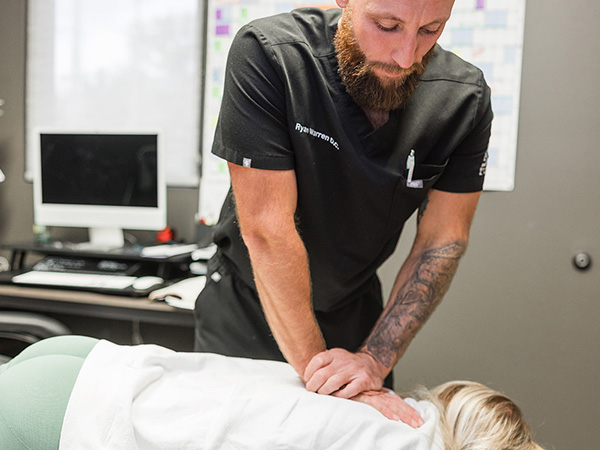
Chiropractic care may be considered as one conservative option for certain musculoskeletal conditions.
Spinal manipulation involves applying a controlled force to a spinal joint. Research suggests it can produce small improvements in pain and function for some people with acute or chronic low-back pain.
That does not mean every person with sciatica needs an adjustment.
A responsible chiropractor should first evaluate your symptoms and determine whether chiropractic care is appropriate or whether another healthcare professional should be involved.
Spinal Decompression
Some chiropractic practices offer spinal decompression as part of their treatment approach. The exact technique and evidence can vary, so patients should ask what the treatment involves, what evidence supports it for their particular condition, and what outcomes are realistically expected.
Medication
Depending on your health history, a medical professional may recommend medication for short-term symptom management.
Medication decisions should consider allergies, existing medical conditions, interactions, and other individual factors.
Imaging or Specialist Evaluation
Imaging is not automatically necessary for every episode of lower back pain or sciatica.
However, imaging or referral to another healthcare professional may be appropriate when symptoms are severe, persistent, progressive, associated with neurological deficits, or suggest an underlying condition requiring further investigation.
Can Sciatica Stretches Help?
Can sciatica stretches help? They can be useful for some people, particularly when limited mobility or muscle tightness is contributing to discomfort. However, stretching is not appropriate as a universal solution for every cause of sciatic pain.
Some commonly used movements include:
Gentle hamstring mobility exercises
Hip and glute stretches
Gentle piriformis stretches
Knee-to-chest movements
Controlled spinal mobility exercises
Walking at a comfortable pace
The key is not to force a stretch.
If a movement causes sharp pain, increases numbness or tingling, produces new weakness, or significantly worsens your symptoms, stop and seek professional guidance.
A good exercise program should be matched to your symptoms rather than copied from a generic online routine.
How Can You Get Sciatica Pain Relief?
If you are looking for how to relieve sciatica pain, start with simple strategies that do not aggravate your symptoms.
Keep Moving
Short periods of comfortable walking may be preferable to spending the entire day in bed.
Change Positions Regularly
If sitting makes your symptoms worse, take regular movement breaks. Adjust your chair, workstation, or driving position when possible.
Use Heat or Cold
Some people find temporary relief from heat or cold. Use whichever feels more comfortable and protect your skin from direct or prolonged exposure.
Avoid Movements That Clearly Aggravate Symptoms
During a flare-up, temporarily reducing activities that consistently worsen symptoms may help you stay comfortable while the underlying problem is evaluated.
Work on Long-Term Movement Habits
Once acute symptoms settle, gradually returning to strengthening, mobility, and normal activities may help improve physical function and confidence.
The goal of sciatica pain relief should not simply be getting through one painful day. A good treatment plan should also consider how you can safely return to normal activities and reduce the factors that may contribute to recurring symptoms.
When Should You See a Back Pain Chiropractor?
So, when should you see a back pain chiropractor? Consider an evaluation if your lower back pain is persistent, repeatedly returning, interfering with normal activities, or accompanied by symptoms such as leg pain, tingling, or restricted movement.
A chiropractor may evaluate your history, movement, posture, spinal mobility, and other relevant factors to determine whether conservative chiropractic care is appropriate.
For uncomplicated low-back pain, spinal manipulation is one of several nondrug treatment options supported by clinical evidence, although expected benefits are generally modest rather than dramatic.
The right provider should also know when not to provide chiropractic treatment.
If your symptoms suggest fracture, infection, significant neurological involvement, serious trauma, or another condition outside chiropractic care, referral to an appropriate medical professional is an important part of responsible care.
What Can You Expect During an Evaluation?
Your first appointment may include:
A discussion of your symptoms and health history.
Questions about previous injuries and daily activities.
A physical examination.
Assessment of movement and mobility.
Discussion of possible treatment options.
Recommendations for follow-up or referral when appropriate.
You should understand why a particular treatment is being recommended and what you can reasonably expect from it.
Frequently Asked Questions
What is sciatica and what does it feel like?
Sciatica refers to symptoms involving the sciatic nerve, commonly producing pain that travels from the lower back or buttock into the leg. It may feel sharp, burning, tingling, numb, or electric-like.
What causes sciatica and lower back pain?
Potential contributors include disc problems, spinal narrowing, age-related spinal changes, physical strain, injuries, and other musculoskeletal or nerve-related issues. The cause varies between individuals.
What are the common symptoms of sciatica?
Common symptoms include radiating leg pain, tingling, numbness, burning sensations, and sometimes weakness. Symptoms often affect one side of the body.
How can I get relief from sciatica pain?
Gentle movement, activity modification, comfortable positioning, and appropriate exercise may help. Depending on the cause, professional care such as physical therapy or chiropractic treatment may also be considered.
What is the best treatment for sciatica?
There is no single best treatment for everyone. Treatment should depend on the underlying cause, symptom severity, medical history, and whether neurological or other warning signs are present.
Can a chiropractor help with sciatica?
A chiropractor may be able to help some patients as part of conservative care, but the evidence for spinal manipulation specifically for sciatica is more limited than for general low-back pain. A proper evaluation should come before treatment.
How can I relieve back pain at home?
Staying gently active, changing positions regularly, avoiding prolonged bed rest, and using comfortable heat or cold may help some people. Persistent or worsening symptoms should be evaluated by an appropriate healthcare professional.
When should I see a doctor for lower back pain?
Seek prompt medical attention for severe or rapidly worsening symptoms, major trauma, progressive weakness, loss of bladder or bowel control, numbness around the groin, fever with severe pain, or other concerning symptoms.
Chiropractic Care for Sciatica and Lower Back Pain in Fayetteville, AR
If you are searching for sciatica treatment in Fayetteville, AR or looking for a back pain chiropractor in Fayetteville, Apex Spine Joint & Wellness provides conservative chiropractic services designed around individual patient needs.
Services include:
Chiropractic Care
Spinal Decompression
SoftWave Therapy
Wellness Care
Auto Injury Relief
📍 Clinic: Apex Spine Joint & Wellness Fayetteville, AR
📞 +1 479-443-0800
🌐 Website: https://www.bestfayettevillechiropractor.com/
Patients can discuss their symptoms and goals with the clinic to determine whether chiropractic or another form of conservative care is appropriate.
Author Bio
Dr. Ryan Warren
Dr. Ryan Warren is the owner of Apex Spine Joint & Wellness in Fayetteville, Arkansas, where he leads a results-driven approach to chiropractic care. Known for combining advanced chiropractic techniques with modern rehabilitation and performance-based therapy, Dr. Warren works with patients ranging from everyday individuals to athletes.
His experience includes treating professional athletes, including Olympians and fighters in UFC and boxing, with an emphasis on mobility, physical function, recovery, and performance.
Dr. Warren's patient-centered approach focuses on developing individualized care plans that support pain management, injury recovery, physical performance, and long-term wellness.

Contact Us
Hours of Operation
- Monday 8:30am - 12:30pm | 3:00pm - 6:00pm
- Tuesday 8:30am - 12:30pm | 3:00pm - 6:00pm
- Wednesday 8:30am - 12:30pm | 3:00pm - 6:00pm
- Thursday 8:30am - 12:30pm | 3:00pm - 6:00pm
- Friday 8:30am - 12:30pm
- Saturday Closed
- Sunday Closed

© 2026 Apex Spine Joint & Wellness. All rights Reserved. Accessibility Statement - Privacy Policy - Sitemap
Powered by:
