

What is Myofascial Release Therapy? Benefits, Techniques, Risks & Pain Relief Guide

Table of contents:
Muscle pain, stiffness, and tension can make daily life uncomfortable and exhausting. Many people struggle with chronic pain caused by stress, injuries, poor posture, or repetitive movements. One increasingly popular treatment option for pain relief and mobility improvement is Myofascial Release Therapy, and how it works to support healing naturally.
In this blog, we’ll explore What is Myofascial Release Therapy, how it works, who can benefit from it, and why it has become a trusted therapy for chronic pain and muscle tension relief.
Myofascial Release Therapy is a hands-on treatment designed to reduce tension in the fascia, the connective tissue surrounding muscles and joints. By applying gentle, sustained pressure, therapists can help release tightness, improve movement, and reduce pain naturally. Many healthcare professionals now recommend Myofascial Release Techniques as part of a holistic pain management plan.
What is Myofascial Release Therapy?
What is Myofascial Release Therapy? It is a specialized hands-on therapy used to relieve pain and tension in the fascia. Fascia is the thin connective tissue that surrounds muscles, bones, nerves, and organs throughout the body.
When fascia becomes tight or restricted because of injury, stress, or inflammation, it can lead to pain, stiffness, and limited mobility. Myofascial Release Therapy uses gentle pressure and stretching to release these restrictions and restore movement.
Unlike traditional massage, Myofascial Release Techniques focus specifically on fascia restrictions rather than simply relaxing muscles. This therapy is commonly used for chronic pain, sports injuries, and posture-related discomfort.
What Is Fascia and Why Is It Important?
To understand What is Myofascial Release Therapy, it’s important to know What is fascia? Fascia is a web-like connective tissue that supports and protects muscles, joints, nerves, and organs throughout the body.
Healthy fascia is flexible and moves easily with the body. However, injuries, poor posture, repetitive strain, inflammation, dehydration, or emotional stress can cause fascia to tighten and become less mobile. Tight fascia may create pain, pressure, muscle imbalances, and movement limitations.
Many healthcare experts recommend Myofascial Release Therapy because it targets these restrictions directly and helps improve overall body function naturally.
Fascia Helps:
Support muscles and joints
Improve body movement
Protect internal structures
Maintain flexibility and posture
Improve coordination and stability
Reduce excessive tension in the body
Understanding fascia explains why Myofascial Release Techniques can be highly effective for chronic pain relief and mobility improvement.
How Myofascial Release Therapy Works
One of the most common questions people ask is, “How does Myofascial Release Therapy work?” The therapy involves applying slow, sustained pressure to areas where fascia feels tight or restricted.
The therapist gently stretches and manipulates the fascia to improve circulation, reduce tension, and restore movement. Unlike quick massage movements, Myofascial Release Techniques use slow pressure held for extended periods.
How Myofascial Release Helps:
Reduces muscle tension
Improves flexibility
Increases circulation
Restores mobility
Relieves pain naturally
Supports faster recovery
Improves posture and body mechanics
Because fascia connects throughout the body, releasing one restricted area may improve pain and movement in other areas as well.
How is Myofascial Release Performed?
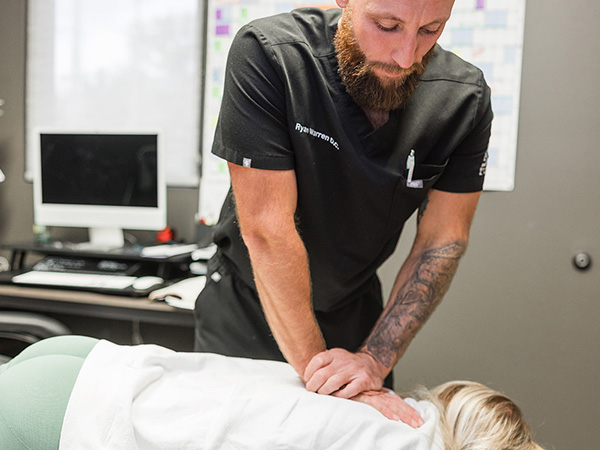
Many patients ask, “How is myofascial release performed?” During treatment, a trained therapist carefully evaluates the body to locate areas of fascial tightness and restricted movement.
The therapist then applies gentle pressure using their hands, fingers, elbows, or specialized stretching methods. Unlike deep tissue massage, the pressure is usually slow and controlled rather than aggressive.
Common Steps During Treatment:
Physical assessment and posture evaluation
Identification of restricted fascia
Gentle sustained pressure on tight areas
Slow stretching movements
Reassessment of movement and tension
The treatment is customized based on the patient’s symptoms, pain levels, mobility limitations, and recovery goals.
Myofascial Release Techniques Explained
There are several different Myofascial Release Techniques used depending on the patient’s condition and pain level. Therapists evaluate the body carefully to identify restricted areas.
Common Myofascial Release Techniques:
Gentle sustained pressure
Trigger point release
Stretching techniques
Manual tissue manipulation
Assisted movement therapy
Cross-hand fascial stretching
Direct and indirect fascial release
These Myofascial Release Techniques are designed to improve tissue flexibility and reduce pressure in the fascia. The therapy is often personalized to meet each patient’s needs.
What is Self-Myofascial Release?
Another commonly searched topic is What is self-myofascial release? Self-myofascial release is a technique people perform on their own using tools like foam rollers, massage balls, or stretching equipment to reduce muscle tightness and improve mobility.
Athletes and fitness enthusiasts often use self-myofascial release before or after exercise to improve flexibility and recovery.
Benefits of Self-Myofascial Release:
Helps reduce muscle soreness
Improves flexibility
Supports workout recovery
Reduces stiffness from sitting
Helps improve circulation
While self-myofascial release can be beneficial, professional Myofascial Release Therapy may provide deeper and more targeted treatment for chronic pain or severe restrictions.
What Does Myofascial Release Therapy Treat?
Another common question is, “What does Myofascial Release Therapy treat?” This therapy may help with a wide variety of pain and mobility conditions.
Conditions Commonly Treated:
Chronic back pain
Neck and shoulder tension
Fibromyalgia
Sports injuries
Headaches and migraines
Sciatica
Posture-related pain
Joint stiffness
Muscle tightness
Repetitive strain injuries
TMJ dysfunction
Chronic stress tension
Many people choose Myofascial Release Therapy because it offers a natural and non-invasive approach to pain relief and recovery.
What Are the Benefits of Myofascial Release Therapy?
Many people ask, “What are the benefits of myofascial release therapy?” One of the biggest advantages is improving mobility and reducing pain without medication or surgery.
Benefits Include:
Reduced muscle tightness
Improved flexibility
Better posture
Increased mobility
Reduced stress and tension
Improved circulation
Enhanced athletic performance
Faster recovery from injuries
Reduced chronic pain symptoms
The long-term effects of Myofascial Release Techniques may also support better physical performance and improved quality of life.
Many patients notice positive changes after only a few therapy sessions.
Who Would Benefit From Myofascial Release Therapy?
People of all ages may benefit from Myofascial Release Therapy. It is especially helpful for individuals dealing with chronic pain, physical stress, or movement restrictions.
Who Would Benefit From Myofascial Release Therapy?
Office workers with posture problems
Athletes recovering from injuries
Individuals with chronic pain
People with muscle stiffness
Patients recovering from surgery
Older adults with limited mobility
Active adults with repetitive strain injuries
Individuals experiencing stress-related tension
Because Myofascial Release Therapy focuses on restoring natural movement, it can help improve comfort and physical function in everyday life.
What Ages Are Best Suited for This Type of Therapy?
Another frequently asked question is, “What ages are best suited for this type of therapy?”
The good news is that Myofascial Release Therapy can often benefit people of nearly all age groups when performed by a trained professional.
Age Groups That May Benefit:
Teen athletes with sports-related tension
Adults with workplace posture issues
Seniors with joint stiffness and mobility challenges
Active individuals recovering from overuse injuries
Treatment plans are typically adjusted based on age, mobility level, medical history, and individual comfort.
What Happens During Myofascial Release Therapy?
Many people wonder, “What happens during Myofascial Release Therapy?” During a session, the therapist gently applies pressure to areas of tight fascia while monitoring tissue movement and tension.
Unlike traditional massage, the movements are slower and more focused. The therapist may hold pressure on certain areas for several minutes to allow the fascia to release naturally.
During a session, you may experience:
Gentle stretching
Sustained pressure
Mild warmth in tight areas
Improved movement
Muscle relaxation
Reduced tension and stiffness
The experience is usually calming and designed to reduce discomfort gradually.
What Should I Expect During Myofascial Release Treatment?
Patients often ask, “What should I expect during myofascial release treatment?”
Your first visit may begin with a consultation and movement assessment. The therapist may evaluate posture, flexibility, pain patterns, and movement limitations before beginning treatment.
What to Expect:
Slow, targeted pressure
Comfortable treatment environment
Ongoing communication during therapy
Mild tenderness in restricted areas
Relaxation after treatment
Some patients feel immediate relief, while others may require several sessions for long-term improvement.
What Happens After Myofascial Release Therapy?
A common concern patients have is, “What happens after myofascial release therapy?”
After treatment, many people report feeling lighter, looser, and more mobile. Some temporary soreness can occur as the body adjusts to reduced tension and improved movement.
Aftercare Tips:
Drink plenty of water
Stretch gently if recommended
Avoid intense physical strain immediately afterward
Follow the therapist's recommendations
Attend follow-up sessions if needed
Consistency with therapy often helps achieve the best long-term results.
Does Myofascial Therapy Hurt?
One common concern is whether Myofascial Release Therapy is painful. In most cases, the therapy should not cause severe pain.
Some patients may feel mild discomfort or pressure when tight fascia is being released. However, therapists adjust the pressure based on the patient’s comfort level.
Most Patients Describe the Sensation As:
Gentle pressure
Mild stretching
Temporary tenderness
Relief after tension release
The goal of Myofascial Release Techniques is to reduce pain, not create additional discomfort.
What Are the Risks of Myofascial Release Therapy?
Although Myofascial Release Therapy is generally considered safe, patients often ask, “What are the risks of myofascial release therapy?”
Possible Side Effects Include:
Temporary soreness
Mild fatigue
Slight bruising
Increased sensitivity in treated areas
Temporary muscle tenderness
Most side effects are temporary and improve within a day or two. Patients should always work with a trained professional experienced in Myofascial Release Techniques.
Individuals with certain medical conditions, recent surgeries, fractures, or severe inflammation should consult a healthcare provider before beginning therapy.
Is Myofascial Release the Same as Trigger Point Therapy?
Many people ask, “Is myofascial release the same as trigger point therapy?” While the two therapies are similar, they are not the same.
Trigger point therapy mainly targets specific tight knots within muscles, while Myofascial Release Therapy focuses on broader fascial restrictions throughout the body.
Main Differences:
Trigger Point Therapy
Targets muscle knots
Focuses on pain points
Uses direct pressure
Often localized
Myofascial Release Therapy
Targets fascia restrictions
Focuses on connective tissue
Uses sustained stretching pressure
May affect entire movement patterns
What’s the Difference Between Myofascial Release Therapy and Fascial Stretch Therapy?
Another common question is, “What’s the difference between myofascial release therapy and fascial stretch therapy?”Although both therapies focus on improving mobility and flexibility, the techniques and goals may differ.
Myofascial Release Therapy:
Uses sustained pressure
Focuses on fascia restrictions
Helps reduce pain and tension
Commonly used for chronic pain relief
Fascial Stretch Therapy:
Involves assisted stretching movements
Focuses on improving joint mobility
Often used for flexibility and athletic performance
May involve dynamic movement patterns
Both approaches may improve mobility, but treatment selection depends on the patient’s goals and physical condition.
Difference Between Myofascial Release and Massage Therapy
Many people ask about the difference between massage therapy and Myofascial Release Therapy. While both therapies involve hands-on treatment, they focus on different goals.
Massage therapy mainly targets muscle relaxation, while Myofascial Release Techniques specifically focus on releasing restrictions in the fascia.
Massage Therapy
Focuses on muscles
Uses rhythmic movements
Primarily relaxation-based
Shorter pressure duration
Myofascial Release Therapy
Focuses on fascia
Uses sustained pressure
Targets pain and mobility
Longer pressure holds
Understanding these differences helps patients choose the right therapy for their needs.
Why Do I Need Myofascial Release Therapy?
People experiencing chronic pain, stiffness, repetitive strain, or movement limitations often ask, “Why do I need myofascial release therapy?”
You may benefit from treatment if you:
Experience ongoing muscle tightness
Sit for long hours daily
Recover from sports injuries
Feel restricted movement or flexibility loss
Struggle with posture-related discomfort
Experience recurring headaches or tension
By targeting fascial restrictions, Myofascial Release Therapy may help restore natural movement patterns and reduce physical stress on the body.
Professional Chiropractic Care in Fayetteville, AR
If you’re searching for advanced pain relief and mobility care, professional chiropractic treatment combined with Myofascial Release Therapy may help improve long-term function and recovery.
At Apex Spine Joint & Wellness, patients receive evidence-based, non-surgical care focused on improving movement, reducing pain, and supporting overall wellness. The clinic combines modern rehabilitation methods with personalized treatment plans designed to address the root cause of discomfort rather than simply masking symptoms.
Services Offered
Each treatment program is customized to help patients recover faster, improve mobility, and maintain long-term physical health naturally.
📍 Location: Fayetteville, Arkansas
🌐 Website: Apex Spine Joint & Wellness
📞 Phone: +1 479-443-0800
This patient-focused approach highlights how chiropractic and soft tissue therapies work together to improve mobility, reduce pain, and support long-term wellness.
Final Thoughts on What is Myofascial Release Therapy
Understanding What is Myofascial Release Therapy can help people make informed decisions about natural pain management and wellness care. This therapy focuses on releasing fascia restrictions, improving mobility, and reducing chronic pain naturally.
Whether you’re dealing with sports injuries, posture-related discomfort, muscle tension, or chronic pain, Myofascial Release Therapy may provide lasting relief and improved physical function.
Working with a trained therapist experienced in Myofascial Release Techniques can help you experience better movement, reduced tension, and a healthier, more active lifestyle.
Frequently Asked Questions About Myofascial Release Therapy
How does Myofascial Release Therapy work?
Myofascial Release Therapy works by applying gentle, sustained pressure to tight fascia areas in the body. This helps release restrictions, improve circulation, reduce tension, and restore movement naturally.
What is the difference between myofascial and massage therapy?
Massage therapy mainly focuses on relaxing muscles, while Myofascial Release Therapy specifically targets fascia restrictions and connective tissue tightness to improve mobility and reduce pain.
What are the side effects of Myofascial Release Therapy?
The side effects of Myofascial Release Therapy are usually mild and temporary. Some people may experience slight soreness, fatigue, or tenderness after treatment.
What does it feel like when fascia releases?
When fascia releases during Myofascial Release Techniques, patients may feel warmth, reduced tension, increased movement, or a sense of relaxation in the treated area.
Is self-myofascial release safe?
Self-myofascial release is generally safe when performed correctly using proper tools and techniques. However, people with severe injuries or medical conditions should consult a healthcare professional first.
How many sessions of Myofascial Release Therapy do I need?
The number of sessions depends on the severity of pain, mobility restrictions, and overall health goals. Some people notice improvement after one session, while chronic conditions may require ongoing care.
Author Bio
Dr. Ryan Warren
Dr. Ryan Warren is the founder of Apex Spine Joint & Wellness in Fayetteville, Arkansas, where he provides advanced chiropractic and soft tissue therapies focused on long-term recovery and performance improvement.
Known for his results-driven approach, Dr. Warren combines spinal adjustments, rehabilitation therapy, and modern recovery techniques to help patients reduce pain, restore mobility, and improve overall function naturally.
He has experience treating a wide range of patients—from active individuals and office workers to elite athletes, Olympians, and professional fighters.
Warren Specializes In:
Pain reduction
Mobility improvement
Injury recovery
Sports rehabilitation
Performance optimization
Posture correction
Non-surgical wellness solutions
His personalized treatment philosophy focuses on identifying the root cause of pain while helping patients achieve lasting results without relying on medication or surgery.


Contact Us
Hours of Operation
- Monday 8:30am - 12:30pm | 3:00pm - 6:00pm
- Tuesday 8:30am - 12:30pm | 3:00pm - 6:00pm
- Wednesday 8:30am - 12:30pm | 3:00pm - 6:00pm
- Thursday 8:30am - 12:30pm | 3:00pm - 6:00pm
- Friday 8:30am - 12:30pm
- Saturday Closed
- Sunday Closed

© 2026 Apex Spine Joint & Wellness. All rights Reserved. Accessibility Statement - Privacy Policy - Sitemap
Powered by:
