

What Is Scoliosis? Causes, Symptoms, Types, and Treatment Options
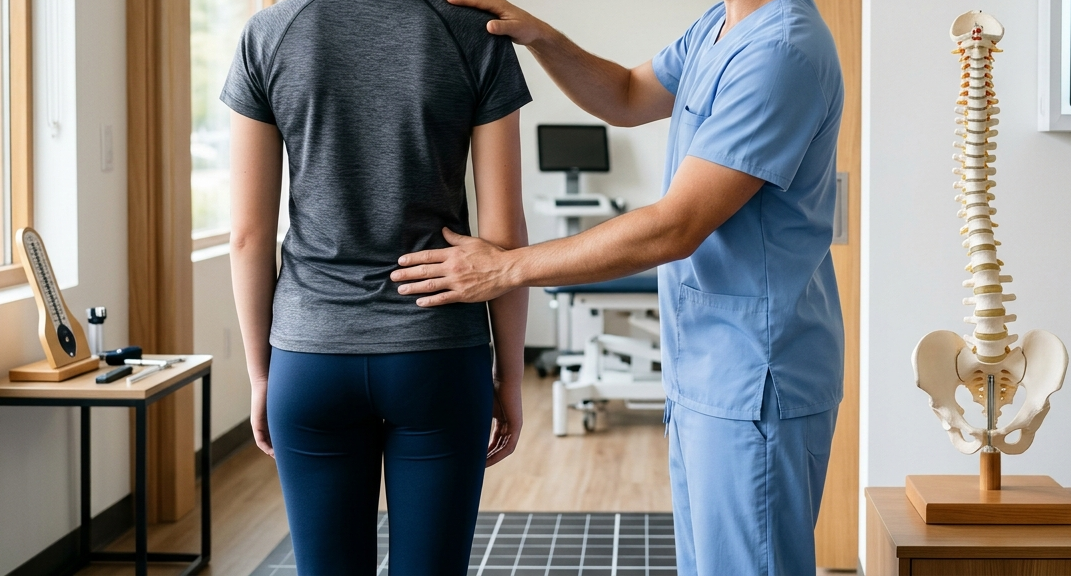
Table of Contents
- What Is Scoliosis?
- What Are the Signs of Scoliosis?
- What Are the Symptoms of Scoliosis?
- What Are the Types of Scoliosis?
- What Causes Scoliosis?
- How Does Scoliosis Affect the Body?
- How Is Scoliosis Diagnosed?
- What Are the Complications of Scoliosis?
- Does Scoliosis Get Worse With Age?
- How Is Scoliosis Treated?
- Can Scoliosis Be Fixed Without Surgery?
- When Should You See a Healthcare Professional?
- Scoliosis Care at Apex Spine Joint & Wellness in Fayetteville, AR
- Frequently Asked Questions About Scoliosis
Scoliosis is a condition that causes the spine to curve sideways and rotate. From behind, the spine may appear to form a “C” or “S” shape instead of a straight line. This can make one shoulder sit higher than the other, create an uneven waistline, or change how a person stands.
If you've noticed these changes in yourself or your child, you may be wondering: What is scoliosis, and should you be concerned?
The good news is that many cases are mild and never require surgery. However, some spinal curves can worsen, especially during childhood growth spurts. Understanding the signs, causes, and treatment options can help you know when to seek care.
What Is Scoliosis?
Scoliosis is an abnormal sideways curvature of the spine that measures at least 10 degrees on an X-ray using the Cobb angle. Unlike the spine's normal curves when viewed from the side, scoliosis involves a sideways curve, often with rotation of the vertebrae.
Scoliosis can develop at any age, but it is commonly identified in children between ages 10 and 15. Some people are born with spinal differences that cause scoliosis, while others develop it later in adulthood.
How Common Is Scoliosis?
Scoliosis affects approximately 2% to 3% of adolescents, although estimates vary by population and how the condition is defined.
Most adolescents diagnosed with scoliosis have mild curves. Girls and boys can both develop the condition, but girls have a higher risk of curve progression that requires treatment.
What Are the Signs of Scoliosis?
Scoliosis often develops gradually. In mild cases, changes in posture may be so small that they go unnoticed.
Common signs of scoliosis include:
One shoulder sitting higher than the other
Uneven hips or waistline
One shoulder blade sticking out more prominently
A visible curve in the back
The head appearing off-center over the pelvis
Clothes hanging unevenly
A raised area on one side of the back when bending forward
Not everyone with uneven shoulders or hips has scoliosis. A healthcare professional can determine whether these changes are related to a spinal curve.
What Are the Symptoms of Scoliosis?
Scoliosis symptoms depend on the person's age, curve severity, and whether other spinal conditions are present.
Many children and teenagers experience no pain or other physical symptoms.
When symptoms occur, they may include:
Back discomfort or muscle fatigue
Stiffness after prolonged sitting or standing
Changes in posture or balance
Reduced flexibility
Back pain that interferes with daily activities
Adults with degenerative scoliosis may also experience leg pain, tingling, numbness, or weakness if spinal nerves become compressed.
Does Scoliosis Cause Back Pain?
Scoliosis can contribute to back pain, but having a spinal curve does not automatically mean you will experience pain.
Mild adolescent scoliosis often causes little or no discomfort. In adults, pain may be associated with arthritis, disc degeneration, muscle strain, or nerve compression.
Persistent pain deserves evaluation rather than assuming scoliosis is the only cause.
What Are the Types of Scoliosis?
There are four main types of scoliosis. Each develops differently and may require a different treatment approach.
1. Idiopathic Scoliosis
Idiopathic scoliosis is the most common type. Its exact cause is unknown, although inherited factors appear to contribute.
It is most frequently diagnosed during adolescence, when the spine is growing rapidly.
2. Congenital Scoliosis
Congenital scoliosis develops when one or more vertebrae do not form normally before birth.
The spinal difference is present at birth, although the curvature may not become noticeable until later childhood.
3. Neuromuscular Scoliosis
Neuromuscular scoliosis is associated with conditions that affect muscle control or the nervous system, such as cerebral palsy, muscular dystrophy, and certain spinal cord disorders.
These conditions can affect spinal support and contribute to curvature.
4. Degenerative Scoliosis
Degenerative scoliosis usually develops in adulthood as spinal discs and joints change with age.
It may be accompanied by back pain, stiffness, or symptoms caused by pressure on spinal nerves.
What Causes Scoliosis?
What causes scoliosis depends on the type.
In most adolescent cases, doctors cannot identify one specific cause. This is known as idiopathic scoliosis.
Other possible causes include:
Abnormal development of spinal bones before birth
Neurological or muscular disorders
Age-related spinal disc and joint degeneration
Certain genetic or connective tissue conditions
Poor posture, carrying a heavy backpack, or sleeping in an unusual position does not cause structural idiopathic scoliosis.
A difference in leg length or certain postural problems can create a temporary or functional sideways spinal curve. This is different from structural scoliosis, which involves a fixed spinal curvature and often vertebral rotation.
What Are the Risk Factors for Scoliosis?
Several factors may increase the likelihood of developing scoliosis or experiencing curve progression.
Age: Adolescent scoliosis commonly appears during rapid growth.
Family history: Having a close relative with scoliosis increases risk.
Sex: Girls have a greater risk of developing curves that progress enough to require treatment.
Growth remaining: A child with substantial growth ahead may have a greater chance of curve progression.
Underlying conditions: Certain neurological, muscular, and congenital conditions increase risk.
Having a risk factor does not mean someone will necessarily develop scoliosis.
How Does Scoliosis Affect the Body?
How scoliosis affects the body depends largely on the location and severity of the curve.
A mild curve may cause only a small difference in shoulder or hip height. Larger curves can change the shape of the rib cage, affect posture, or place uneven loads on spinal joints and muscles.
In severe thoracic scoliosis, the shape of the chest may restrict lung function. This is uncommon in mild cases.
Scoliosis can also affect body image and confidence, especially during adolescence. These concerns deserve attention alongside physical symptoms.
How Is Scoliosis Diagnosed?
Scoliosis diagnosis usually begins with a medical history and physical examination. If a clinician suspects a spinal curve, standing X-rays can confirm the diagnosis and measure its severity.
What Is Scoliosis Screening?
Scoliosis screening is a brief physical assessment used to look for possible spinal asymmetry.
One common method is the Adam's Forward Bend Test. During the test, a person bends forward while the examiner looks for uneven ribs or back muscles.
A scoliometer may also be used to measure trunk rotation.
Screening does not confirm scoliosis. It helps identify people who may need further evaluation. Recommendations for routine screening of children without symptoms differ among medical organizations.
When Is Scoliosis Diagnosed?
Scoliosis is often diagnosed between ages 10 and 15, although it can be detected earlier or later in life.
Parents may first notice uneven shoulders, changes in clothing fit, or a visible spinal curve. In adults, scoliosis may be discovered during an evaluation for back pain or other spinal symptoms.
How Is Scoliosis Measured?
Doctors use standing spinal X-rays to calculate the Cobb angle, which measures the degree of sideways curvature.
A Cobb angle of at least 10 degrees supports a scoliosis diagnosis.
What Is Mild Scoliosis?
Mild scoliosis generally refers to a spinal curve of approximately 10–24 degrees.
Curve measurement | Common description | Possible management |
10–24 degrees | Mild | Observation and monitoring |
25–40 degrees | Moderate | Bracing may be considered during growth |
Above 40–50 degrees | Larger or severe curve | Specialist assessment; surgery may be considered |
These ranges are approximate, not universal treatment rules. Age, growth remaining, curve location, progression, and symptoms all influence clinical decisions.
What Other Tests May Be Needed?
Most cases do not require extensive testing beyond examination and appropriate X-rays.
An MRI may be recommended when symptoms or examination findings suggest a spinal cord or neurological problem. It is not routinely necessary for every person with scoliosis.
What Are the Complications of Scoliosis?
Most people with mild scoliosis do not develop serious complications.
However, complications of scoliosis can include:
Increasing spinal curvature during growth
Chronic back discomfort in some adults
Visible changes in posture and rib cage shape
Reduced lung function with some severe thoracic curves
Nerve compression associated with adult degenerative changes
Emotional distress related to appearance
Regular follow-up is particularly important for children whose spines are still growing.
Does Scoliosis Get Worse With Age?
Does scoliosis get worse with age? Sometimes, but not in every case.
Curves can progress during adolescent growth spurts. Once growth is complete, smaller curves are often more stable, while larger curves may continue to progress gradually.
Adults can also develop degenerative scoliosis as spinal discs and joints change over time.
The likelihood of progression depends on the original curve size, age, skeletal maturity, and underlying spinal condition.
How Is Scoliosis Treated?
Scoliosis treatment depends on the curve's severity, the patient's age, symptoms, and whether the spine is still growing.
Not everyone needs active treatment. For many people, regular monitoring is enough. Others may benefit from bracing, physical therapy, pain management, or surgery.
1. Observation and Monitoring
Mild scoliosis often requires monitoring rather than immediate treatment.
For growing children, a specialist may recommend follow-up examinations and X-rays at intervals based on the risk of progression.
The goal is to identify meaningful changes before the curve becomes more difficult to manage.
2. Bracing for Scoliosis
Bracing is commonly recommended for certain moderate curves in children and teenagers who are still growing.
A brace applies external support to help prevent further curve progression. It usually does not permanently straighten an existing structural curve.
How long a brace must be worn depends on the prescribed treatment plan, growth remaining, and curve characteristics.
3. Physical Therapy and Scoliosis Exercises
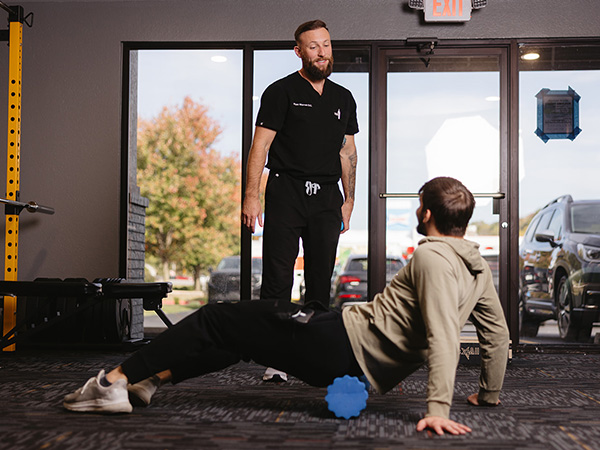
Physical therapy can help improve strength, flexibility, posture, and everyday function.
Scoliosis-specific exercise programs, including the Schroth method, focus on posture, breathing, and movement patterns tailored to an individual's spinal curve.
These exercises may improve some clinical outcomes, but the evidence for preventing curve progression varies. They should not replace bracing or specialist care when those treatments are indicated.
4. Chiropractic Care for Scoliosis
Can a chiropractor help with scoliosis?
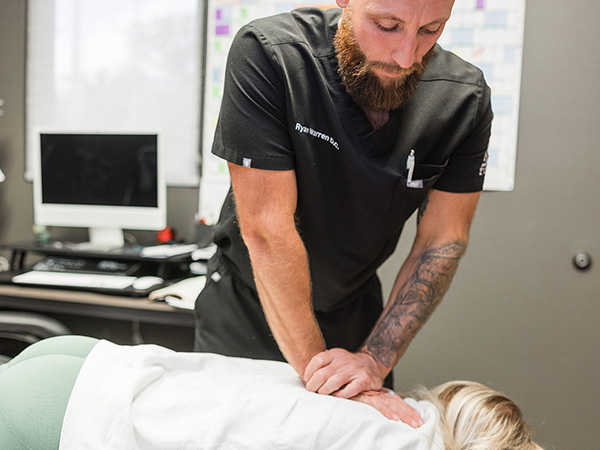
Chiropractic care may help selected patients manage related muscle discomfort, stiffness, or movement limitations. However, spinal adjustments have not been proven to straighten structural scoliosis or reliably prevent its progression.
A 2023 systematic review found that the available evidence for spinal manipulation in adolescent idiopathic scoliosis was too limited and low-quality to establish effectiveness.
Chiropractic treatment should therefore be considered supportive care for appropriate symptoms, not a replacement for scoliosis monitoring, bracing, or orthopedic treatment.
5. Scoliosis Surgery
Surgery may be considered when a spinal curve becomes severe, continues progressing, or causes significant problems.
In growing adolescents, curves approaching or exceeding 45–50 degrees often lead to a discussion about surgery. Adult surgical decisions depend more heavily on symptoms, spinal balance, nerve compression, and the effects on daily life.
Spinal fusion is one common procedure. It uses implants and bone graft material to stabilize part of the spine.
6. Is Scoliosis Surgery Dangerous?
Is scoliosis surgery dangerous? Like any major spinal operation, it carries risks, but it can also provide important benefits for appropriately selected patients.
Possible complications include infection, bleeding, blood clots, nerve injury, implant problems, and reduced movement in the fused portion of the spine.
The level of risk depends on the patient's health, curve complexity, surgical technique, and other factors. A spine surgeon should explain the expected benefits, alternatives, and individual risks before treatment.
Can Scoliosis Be Fixed Without Surgery?
Many people with scoliosis never need surgery.
Observation, bracing during growth, exercise, and symptom-focused treatment can help manage the condition. However, there is an important difference between controlling scoliosis and permanently correcting a structural curve.
Bracing is mainly intended to limit progression in growing children. Exercise and other conservative treatments may improve function and comfort, but they do not reliably eliminate structural scoliosis.
A spine specialist can help determine which goals are realistic for your situation.
When Should You See a Healthcare Professional?
Schedule an evaluation if you or your child develops noticeable changes in spinal alignment, uneven shoulders, or a persistent lean to one side.
You should also seek medical advice for:
Back pain that persists or interferes with normal activities
A spinal curve that appears to be increasing
New leg pain, tingling, or numbness
Changes in walking or balance
A previously diagnosed curve that has not been monitored
New or worsening weakness, loss of bladder or bowel control, or numbness around the groin requires urgent medical assessment. Sudden severe breathing difficulty also requires emergency care.
Early evaluation is especially important during childhood and adolescence, when spinal growth can influence progression.
Scoliosis Care at Apex Spine Joint & Wellness in Fayetteville, AR
Living with scoliosis can sometimes mean dealing with muscle tension, stiffness, or back discomfort during everyday activities.
At Apex Spine Joint & Wellness, Dr. Ryan Warren and the team offer chiropractic care and other musculoskeletal services for patients in Fayetteville, AR.
The clinic's services include:
The clinic's website confirms its chiropractic care, spinal decompression, and SoftWave services.
These services should not be understood as proven methods of correcting scoliosis. In particular, spinal decompression and SoftWave Therapy are not established treatments for straightening structural scoliosis.
For a suspected or confirmed spinal curve, appropriate medical evaluation and referral to a spine specialist remain important.
Schedule a Chiropractic Consultation in Fayetteville, AR
If you're experiencing back discomfort, stiffness, or movement limitations, contact Apex Spine Joint & Wellness to discuss an evaluation and whether its available services may be appropriate for your needs.
Book Your Appointment
Apex Spine Joint & Wellness
Location: Fayetteville, AR
Phone: +1 479-443-0800
Website:Chiropractor in Fayetteville, AR
Map:Apex Spine Joint & Wellness – Fayetteville, AR
Frequently Asked Questions About Scoliosis
Can scoliosis go away on its own?
Some spinal curves in very young children may improve as they grow. However, structural scoliosis in adolescents and adults generally does not disappear on its own. Mild curves may remain stable without active treatment.
Can you live a normal life with scoliosis?
Yes. Most people with scoliosis can attend school, work, exercise, and enjoy normal daily activities. Some may need monitoring or treatment depending on their symptoms and curve severity.
What exercises are good for scoliosis?
Walking, swimming, appropriate strengthening exercises, and individualized physical therapy can support general fitness and mobility. Scoliosis-specific exercises may also be recommended. The best program depends on the patient's curve and clinical needs.
Can scoliosis be prevented?
There is no established way to prevent most cases of idiopathic scoliosis. Maintaining physical fitness supports general spinal health but does not guarantee prevention.
Can adults develop scoliosis?
Yes. Some adults have scoliosis that began in childhood, while others develop a new spinal curve because of age-related changes in the discs and joints.
Can a chiropractor straighten a scoliosis curve?
There is insufficient reliable evidence that chiropractic adjustments can permanently straighten structural scoliosis. Chiropractic care may have a role in managing selected related symptoms, but it should not replace established scoliosis treatment.
Conclusion
Understanding what is scoliosis can help you recognize changes in spinal alignment and make informed decisions about care.
Most cases are mild, and many people live active lives without surgery. When treatment is needed, the best approach depends on age, curve severity, symptoms, and the risk of progression.
If you notice signs of scoliosis, a healthcare professional can assess your spine and recommend appropriate next steps. For related musculoskeletal discomfort in Fayetteville, AR, Apex Spine Joint & Wellness can discuss its available chiropractic services and whether additional specialist evaluation is needed.
About the Author
Dr. Ryan Warren, D.C.
Dr. Ryan Warren is the owner of Apex Spine Joint & Wellness in Fayetteville, Arkansas. His clinic provides chiropractic care, rehabilitation services, and other musculoskeletal treatment options for patients with different mobility and wellness needs.
The clinic reports experience working with professional athletes, including UFC fighters and USA Boxing athletes, as well as families and patients from the local community.

Contact Us
Hours of Operation
- Monday 8:30am - 12:30pm | 3:00pm - 6:00pm
- Tuesday 8:30am - 12:30pm | 3:00pm - 6:00pm
- Wednesday 8:30am - 12:30pm | 3:00pm - 6:00pm
- Thursday 8:30am - 12:30pm | 3:00pm - 6:00pm
- Friday 8:30am - 12:30pm
- Saturday Closed
- Sunday Closed

© 2026 Apex Spine Joint & Wellness. All rights Reserved. Accessibility Statement - Privacy Policy - Sitemap
Powered by:
