

What Is Shockwave Therapy? Benefits, Uses, Safety, Cost & What to Expect
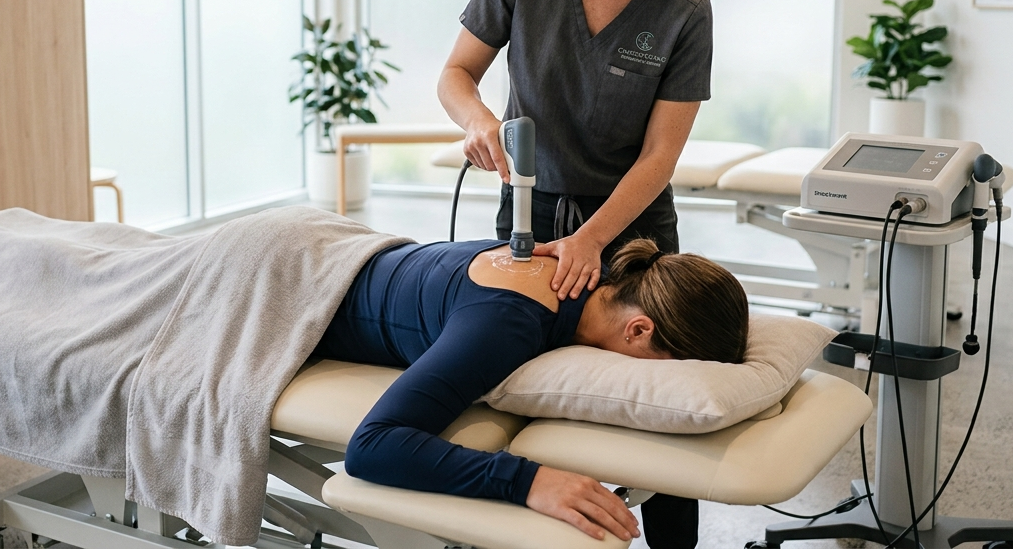
Table of Contents
Shockwave Therapy vs SoftWave Therapy: What Is the Difference?
Why Choose Apex Spine Joint & Wellness for Shockwave Therapy in Fayetteville, AR?
What Is Shockwave Therapy?
If you are searching for a non-surgical solution for chronic pain, tendon injuries, or slow-healing soft tissue problems, you may be wondering: What is shockwave therapy?
Shockwave therapy, also known as Extracorporeal Shockwave Therapy (ESWT), is a non-invasive treatment that uses high-energy acoustic waves to stimulate the body's natural healing response. Instead of only reducing symptoms, shockwave therapy is designed to encourage tissue repair, improve circulation, and support recovery in injured areas.
Originally developed for medical applications such as breaking down kidney stones, shockwave technology has evolved into an advanced treatment option for many musculoskeletal conditions involving tendons, ligaments, and soft tissues.
Today, chiropractors and healthcare providers use shockwave therapy to help patients experiencing conditions such as:
Plantar fasciitis
Achilles tendon injuries
Tennis elbow
Shoulder pain
Sports injuries
Chronic tendon problems
Soft tissue injuries
At Apex Spine Joint & Wellness in Fayetteville, AR, shockwave therapy may be combined with chiropractic care, rehabilitation, and other advanced treatments to help patients improve mobility and recover from painful conditions.
How Does Shockwave Therapy Work?
Understanding how does shockwave therapy work can help you know what to expect before starting treatment.
Shockwave therapy uses a specialized handheld device that delivers controlled acoustic waves into the affected tissue. These energy waves create mechanical stimulation that may activate the body's natural repair processes.
During treatment, shockwave therapy may help:
Increase blood flow to damaged tissues
Stimulate cellular activity
Encourage tissue remodeling
Support collagen production
Reduce pain sensitivity
Improve mobility and function
The therapy works through a process called mechanotransduction, where mechanical energy from the shockwaves sends signals to cells that may encourage healing responses.
Unlike treatments that simply mask discomfort, shockwave therapy focuses on creating an environment where the body can better repair damaged tissues.
Because healing is a biological process, results are usually gradual. Many patients notice improvement over several weeks as the body continues responding after treatment sessions.
What Does Shockwave Therapy Do?
A common question patients ask is, what does shockwave therapy do?
Shockwave therapy delivers targeted acoustic energy to painful or damaged tissues to encourage the body's natural healing mechanisms.
Depending on the condition being treated, shockwave therapy may help:
Improve Blood Circulation
Healthy blood flow is important for delivering oxygen and nutrients needed for tissue repair. Shockwave therapy may stimulate circulation around injured areas.
Support Tissue Healing
The controlled energy from shockwaves may encourage cellular activity and tissue regeneration.
Reduce Chronic Pain
Shockwave therapy may help decrease pain signals associated with long-lasting tendon and soft tissue conditions.
Improve Movement
By reducing discomfort and supporting tissue recovery, many patients experience improved mobility and function.
Shockwave therapy is often most effective when combined with a complete treatment plan that may include chiropractic adjustments, stretching, strengthening exercises, and lifestyle recommendations.
Why Is Shockwave Therapy Used?
Many patients ask, why is shockwave therapy used instead of traditional treatments?
Shockwave therapy is commonly recommended for individuals who have persistent pain that has not improved with conservative approaches such as:
Rest
Exercise modification
Physical therapy
Stretching programs
Medication
Healthcare providers may consider shockwave therapy because it offers a non-surgical approach that supports natural recovery without:
Incisions
Anesthesia
Long recovery periods
The goal of treatment is not only temporary pain relief but also improving tissue health and restoring normal function.
Conditions Treated With Shockwave Therapy
There are many conditions treated with shockwave therapy, especially chronic injuries involving tendons and soft tissues.
Plantar Fasciitis and Heel Pain
Shockwave therapy is commonly used for plantar fasciitis, a condition that causes pain underneath the heel or along the bottom of the foot.
It may help stimulate healing in the plantar fascia and improve discomfort caused by chronic irritation.
Achilles Tendinopathy
The Achilles tendon experiences significant stress from walking, running, and athletic activities.
Shockwave therapy may support recovery for individuals experiencing:
Achilles tendon pain
Tendon stiffness
Chronic irritation
Tennis Elbow and Golfer’s Elbow
Repetitive arm movements can lead to tendon irritation around the elbow.
Shockwave therapy may help patients experiencing:
Elbow pain
Reduced grip strength
Tendon discomfort
Shoulder Tendon Injuries
Shockwave therapy may be used for certain shoulder conditions, including:
Calcific tendinopathy
Rotator cuff-related pain
Chronic shoulder discomfort
Knee Tendon Injuries
Athletes often experience tendon problems around the knee due to repetitive stress.
Shockwave therapy may help conditions such as:
Patellar tendinopathy
Jumper’s knee
Other Soft Tissue Injuries
Depending on evaluation, shockwave therapy may also be considered for:
Chronic muscle injuries
Sports-related injuries
Ligament problems
Overuse injuries
A professional assessment is important because shockwave therapy is not appropriate for every type of pain or injury.
Which Injuries Are Treated by Shockwave Therapy?
Many people search for which injuries are treated by shockwave therapy because they want to know if their condition qualifies.
Shockwave therapy is commonly used for injuries caused by:
Repetitive stress
Athletic activity
Overuse
Poor tissue healing
Examples include:
Running injuries
Tendon injuries
Chronic sports injuries
Workplace-related strain injuries
Long-term soft tissue problems
Shockwave therapy is generally more beneficial for chronic conditions rather than very recent injuries. Your provider will evaluate your symptoms and determine whether it is the right option.
What Happens During a Shockwave Therapy Treatment?
Many patients feel more comfortable when they understand what happens during a shockwave therapy treatment.
A typical session usually includes four steps:
1. Evaluation
Your provider will review your symptoms, medical history, and the area causing discomfort.
2. Treatment Preparation
A small amount of gel is applied to the skin to help transmit the acoustic waves effectively.
3. Shockwave Application
A handheld applicator is placed over the treatment area. The device delivers controlled pulses into the targeted tissue.
Patients usually feel tapping or pressure sensations during treatment.
4. Recovery Guidance
Your provider may recommend:
Mobility exercises
Stretching
Activity adjustments
Additional therapies
Most sessions are completed within a short appointment time, making shockwave therapy convenient for many patients.
Shockwave Therapy Benefits
There are several potential shockwave therapy benefits for patients dealing with chronic pain, tendon injuries, and soft tissue problems.
Unlike treatments that only focus on temporarily reducing symptoms, shockwave therapy is designed to stimulate the body's natural healing response.
Some common benefits include:
Non-Surgical Treatment Option
One of the biggest advantages of shockwave therapy is that it provides a non-invasive alternative for many chronic musculoskeletal conditions.
Patients can receive treatment without:
Surgery
Incisions
General anesthesia
Long recovery periods
This makes it an appealing option for individuals looking for conservative care before considering more invasive procedures.
Helps Reduce Chronic Pain
Shockwave therapy may help reduce discomfort associated with certain tendon and soft tissue conditions.
By stimulating the affected area, the treatment may help decrease pain sensitivity and support better tissue function.
Many patients seek shockwave therapy for:
Long-term tendon pain
Sports injuries
Joint discomfort
Soft tissue irritation
Supports Tissue Repair and Recovery
Shockwave therapy may encourage the body’s natural repair mechanisms by improving circulation and stimulating cellular activity.
Better blood flow may help deliver:
Oxygen
Nutrients
Healing factors
to the affected tissues.
Improves Mobility and Function
Pain and stiffness can limit daily activities and athletic performance.
By supporting tissue healing and reducing discomfort, shockwave therapy may help patients improve:
Range of motion
Flexibility
Physical performance
Movement quality
Minimal Downtime
Most patients can return to normal activities shortly after treatment.
Compared with surgical procedures, shockwave therapy generally requires little recovery time, making it a convenient option for active individuals.
Is Shockwave Therapy Effective?
A common question is, is shockwave therapy effective?
Research suggests that shockwave therapy may be effective for specific chronic musculoskeletal conditions, especially certain tendon disorders and plantar fasciitis.
However, results can vary depending on:
The type of injury
How long symptoms have been present
Severity of the condition
Overall health
Treatment consistency
Shockwave therapy is not a guaranteed solution for every patient, but many individuals experience improvements when the treatment is used for the right condition.
The best outcomes often occur when shockwave therapy is combined with a complete recovery plan that addresses mobility, strength, and the underlying cause of the problem.
Is Shockwave Therapy Painful?
Many patients ask, is shockwave therapy painful?
During treatment, most people feel mild pressure, tapping, or pulses in the treatment area.
Some patients experience temporary discomfort because the acoustic waves are targeting sensitive tissues. However, the intensity can usually be adjusted based on your comfort level.
The experience may depend on:
The location being treated
The severity of the injury
Individual pain tolerance
After treatment, some people may notice:
Mild soreness
Tenderness
Increased sensitivity
These sensations typically improve within a short period.
Most patients find shockwave therapy manageable and appreciate that the treatment does not require surgery or extended downtime.
How Long Does Shockwave Therapy Take?
Patients often ask, how long does shockwave therapy take?
A typical shockwave therapy session usually takes approximately:
10 to 20 minutes
The total appointment time may vary depending on:
The area being treated
Your evaluation
Additional therapies included in your care plan
Most treatment plans involve multiple sessions.
Many patients receive:
3 to 6 treatment sessions
Sessions scheduled several days or weeks apart
Your provider will determine the appropriate treatment schedule based on your condition and recovery goals.
How Long Is the Recovery Period From Shockwave Therapy?
Another common question is, how long is the recovery period from shockwave therapy?
One of the benefits of shockwave therapy is that recovery time is usually minimal.
Most patients can:
Return to normal daily activities
Continue working
Resume light movement
Soon after treatment.
However, your provider may recommend avoiding intense exercise or activities that place heavy stress on the treated area for a short time.
Unlike surgery, shockwave therapy typically does not require:
Weeks of downtime
Immobilization
Extensive rehabilitation
Although treatment sessions are short, the healing process continues after each session as the body repairs and remodels tissue.
Are There Any Side Effects of Shockwave Therapy?
A common concern is, are there any side effects of shockwave therapy?
Shockwave therapy is generally considered safe when performed by a trained healthcare professional.
Some temporary side effects may include:
Mild soreness
Redness
Swelling
Bruising
Tenderness
Temporary discomfort at the treatment area
These effects usually resolve naturally within a few days.
Before starting treatment, your provider should review your medical history to determine whether shockwave therapy is appropriate for your condition.
Can Shockwave Therapy Cause Damage?
Many patients wonder, can shockwave therapy cause damage?
When properly performed using appropriate settings, shockwave therapy is generally considered safe for suitable patients.
The purpose of treatment is to create controlled stimulation that encourages healing, not damage healthy tissues.
However, shockwave therapy should only be performed by qualified professionals who understand:
Proper treatment protocols
Patient selection
Safe energy levels
Contraindications
Choosing an experienced provider helps reduce risks and improves the likelihood of receiving appropriate care.
Who Should Not Undergo Shockwave Therapy?
Patients often ask, who should not undergo shockwave therapy?
Although many people benefit from shockwave therapy, it may not be suitable for everyone.
Shockwave therapy may not be recommended for individuals who:
Are pregnant
Have active infections near the treatment area
Have certain bleeding disorders
Take specific blood-thinning medications
Have cancer in the treatment area
Have certain vascular conditions
Have open wounds where treatment would be applied
Children with open growth plates may also require special consideration.
A consultation with a healthcare provider is important before beginning treatment.
Is Shockwave Therapy Right for You?
You may be wondering, is shockwave therapy right for you?
Shockwave therapy may be worth considering if you are dealing with:
Chronic tendon pain
Sports-related injuries
Persistent soft tissue discomfort
Pain that has not improved with traditional approaches
However, the right treatment depends on your individual condition.
At Apex Spine Joint & Wellness, Dr. Ryan Warren evaluates each patient individually to determine whether shockwave therapy, SoftWave Therapy, chiropractic care, spinal decompression, or another approach may be the best option.
Shockwave Therapy vs SoftWave Therapy: What Is the Difference?
Many patients compare shockwave therapy vs SoftWave therapy when researching advanced treatment options.
Although both use acoustic wave technology, they have differences in how energy is delivered.
Feature | Shockwave Therapy | SoftWave Therapy |
Technology | Uses focused or radial acoustic waves | Uses patented broad-focused acoustic wave technology |
Energy Delivery | Targets specific areas of injured tissue | Designed to treat broader tissue areas |
Treatment Focus | Commonly used for chronic tendon conditions | Used for various soft tissue and musculoskeletal concerns |
Treatment Goal | Stimulate healing and reduce pain | Support tissue repair and improve function |
Treatment Selection | Based on diagnosis and provider evaluation | Based on patient needs and clinical goals |
Both therapies may support recovery, but the ideal option depends on your injury, health history, and treatment objectives.
Is Shockwave Therapy Covered by Insurance?
Patients frequently ask, is shockwave therapy covered by insurance?
Insurance coverage varies depending on:
Your insurance provider
Your policy
Your location
The condition being treated
Some insurance companies may cover certain therapeutic services, while others may consider shockwave therapy an out-of-pocket treatment.
Before starting care, it is recommended to:
Contact your insurance provider
Ask about coverage
Discuss payment options with your clinic
How Much Does Shockwave Therapy Cost?
Many people search for how much does shockwave therapy costs.
The cost of shockwave therapy varies depending on several factors, including:
Number of treatment sessions needed
Provider experience
Location
Condition being treated
Whether additional therapies are included
Because every patient requires a personalized treatment plan, there is no single cost that applies to everyone.
During your consultation, your provider can explain:
Recommended number of sessions
Expected treatment plan
Available payment options
Why Choose Apex Spine Joint & Wellness for Shockwave Therapy in Fayetteville, AR?
If you are looking for shockwave therapy in Fayetteville, AR, choosing an experienced healthcare provider is an important part of your recovery journey.
At Apex Spine Joint & Wellness, Dr. Ryan Warren combines advanced technology with personalized chiropractic care to help patients improve mobility, recover from injuries, and achieve better long-term function.
The clinic focuses on finding the underlying cause of pain and creating customized care plans that may include:
Whether you are recovering from a sports injury, dealing with chronic pain, or experiencing limitations in movement, Dr. Warren focuses on providing patient-centered care designed around your specific needs.
Apex Spine Joint & Wellness
Location: Fayetteville, AR
Phone: +1 479-443-0800
Website: Chiropractor in Fayetteville, AR
Map: Apex Spine Joint & Wellness – Fayetteville, AR
Frequently Asked Questions About Shockwave Therapy
How many shockwave therapy sessions do I need?
The number of sessions depends on your condition, symptoms, and recovery goals. Many treatment plans include 3 to 6 sessions, but your provider will recommend what is appropriate for you.
Can I exercise after shockwave therapy?
Many patients can continue normal activity after treatment. However, intense exercise involving the treated area may need to be modified temporarily.
Does shockwave therapy permanently fix injuries?
Shockwave therapy supports the body's healing process, but results depend on many factors, including injury type, lifestyle, and following recommended rehabilitation.
Is shockwave therapy better than surgery?
Shockwave therapy is not a replacement for every surgical procedure, but it may provide a non-invasive option for certain conditions before considering surgery.
Author Bio
Dr. Ryan Warren
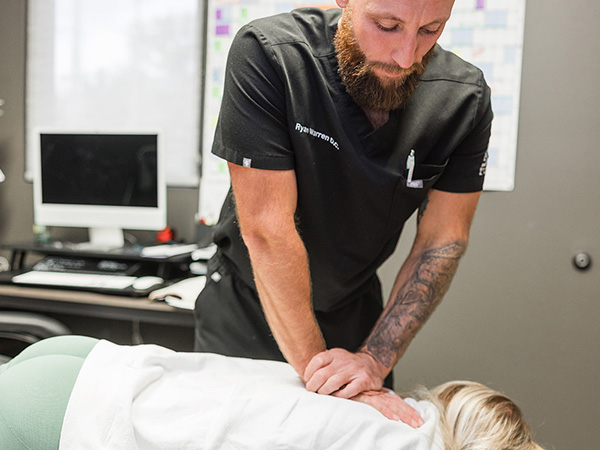
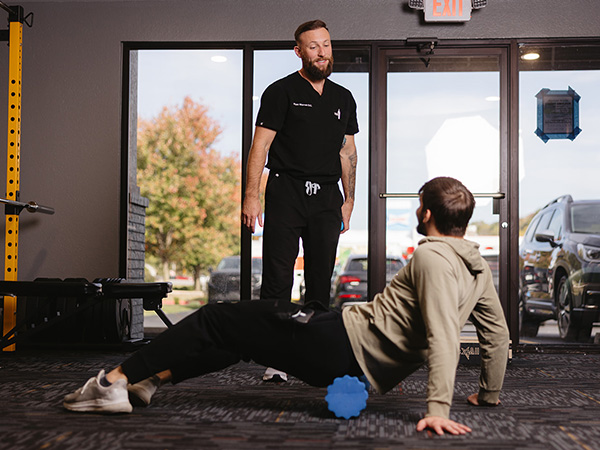
Dr. Ryan Warren is the owner of Apex Spine Joint & Wellness in Fayetteville, Arkansas, where he provides a results-driven approach to chiropractic care and advanced rehabilitation.
Known for combining modern chiropractic techniques with performance-focused therapy, Dr. Warren helps patients improve mobility, recover from injuries, and achieve better physical function.
With extensive experience treating professional athletes, including Olympians and competitors in UFC and boxing, Dr. Warren understands the importance of effective recovery strategies, injury prevention, and performance optimization.
His patient-centered philosophy focuses on personalized care plans designed to support long-term health, restore movement, and improve overall wellness.

Contact Us
Hours of Operation
- Monday 8:30am - 12:30pm | 3:00pm - 6:00pm
- Tuesday 8:30am - 12:30pm | 3:00pm - 6:00pm
- Wednesday 8:30am - 12:30pm | 3:00pm - 6:00pm
- Thursday 8:30am - 12:30pm | 3:00pm - 6:00pm
- Friday 8:30am - 12:30pm
- Saturday Closed
- Sunday Closed

© 2026 Apex Spine Joint & Wellness. All rights Reserved. Accessibility Statement - Privacy Policy - Sitemap
Powered by:
