

What Is Spinal Stenosis? Causes, Symptoms, Treatment & Pain Relief
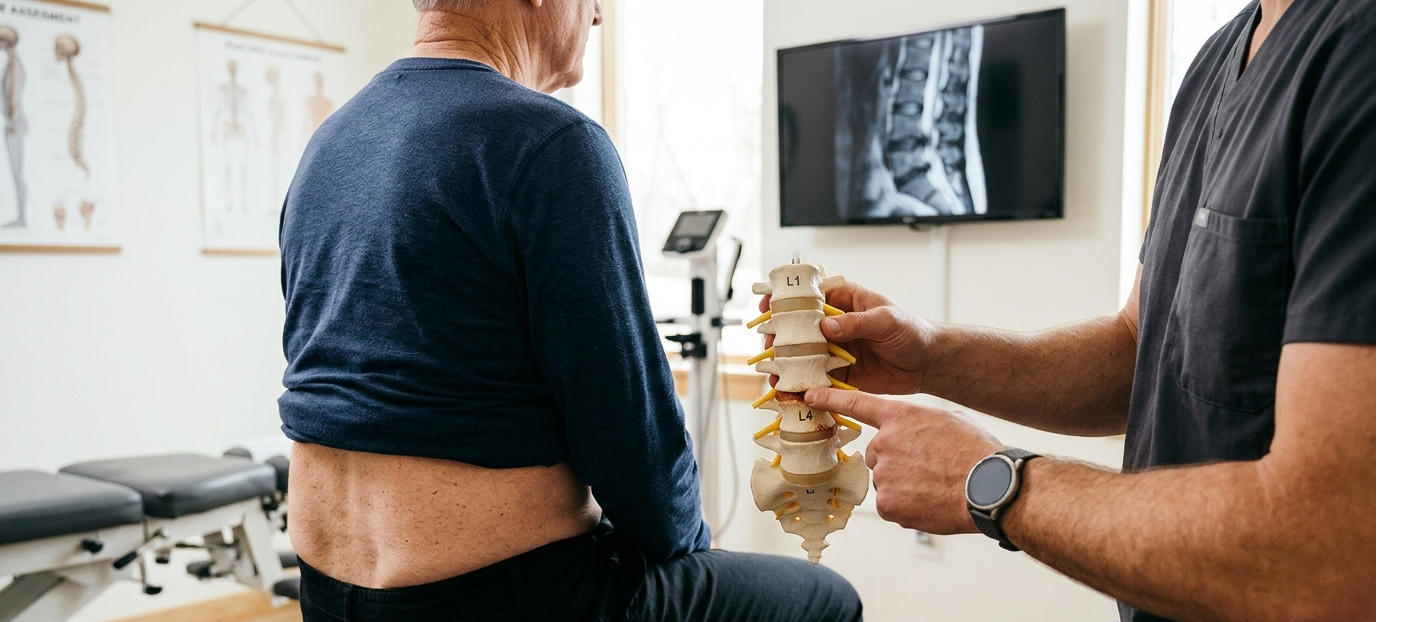
Table of Contents
Walking through a grocery store should be simple. But what if your legs start aching or feeling heavy after just a few minutes? You lean forward on the shopping cart, and the discomfort eases. When you stand upright and start walking again, the pain returns.
This pattern can be a sign of spinal stenosis, a condition that affects the spaces around the nerves in your spine.
So, what is spinal stenosis? Spinal stenosis happens when the spinal canal or the openings where nerves leave the spine become narrow. This narrowing can put pressure on nearby nerves or the spinal cord, causing pain, numbness, tingling, or weakness. It most commonly affects the lower back and neck, although some people have no symptoms at all.
The good news is that not everyone with spinal stenosis needs surgery. Depending on the severity and location of the narrowing, treatments such as physical therapy, exercise, medication, and other forms of conservative care may help manage symptoms.
In this guide, you'll learn what causes spinal stenosis, how to recognize its symptoms, which treatments have scientific support, and whether chiropractic care may help.
What Is Spinal Stenosis?
Your spine is made up of small bones called vertebrae, with cushioning discs between them. Together, these structures protect your spinal cord and support the nerves that carry messages between your brain and the rest of your body.
Inside your spine is a passageway called the spinal canal. Smaller openings along the sides allow nerve roots to travel toward your arms, legs, and other parts of your body.
Spinal stenosis develops when one or more of these spaces become narrower than normal. If the narrowing affects nearby nerves, it may cause pain, tingling, numbness, or muscle weakness.
However, having a narrow spinal canal does not automatically mean you will experience pain. Some people have spinal stenosis on an MRI but never develop noticeable symptoms. This is why healthcare providers consider both your symptoms and imaging results when making a diagnosis.
Types of Spinal Stenosis
Spinal stenosis is commonly classified according to where the narrowing occurs.
The condition can also affect the central spinal canal or the smaller openings where nerve roots exit the spine.
Understanding which area is affected helps healthcare providers choose the appropriate evaluation and treatment.
What Causes Spinal Stenosis?
Spinal stenosis usually develops gradually as the structures in your spine change with age. These changes can reduce the space available for nearby nerves.
Although aging is a common factor, not everyone develops symptomatic spinal stenosis.
1. Osteoarthritis and Bone Spurs
Osteoarthritis causes gradual changes in the joints of the spine. As cartilage wears down, the body may develop extra bone around the affected joints.
These growths, called bone spurs, can extend into the spinal canal or nerve openings, leaving less space for nerves.
2. Bulging or Herniated Discs
Spinal discs act as cushions between the vertebrae. Over time, they may lose water content and become less flexible.
A disc that bulges outward or develops a herniation can take up space near the spinal nerves, sometimes contributing to stenosis.
3. Thickened Spinal Ligaments
Ligaments are strong bands of tissue that help stabilize your spine.
With age and degenerative changes, certain ligaments, especially the ligamentum flavum, may become thicker and extend into the spinal canal.
4. Spondylolisthesis
Spondylolisthesis occurs when one vertebra slips relative to another.
This change in alignment can narrow the spinal canal or nerve openings and may contribute to nerve compression.
5. Naturally Narrow Spinal Canal
Some people are born with a smaller spinal canal. This is sometimes called congenital or developmental spinal stenosis.
Because there is less space to begin with, additional changes in the spine may produce symptoms at a younger age.
6. Other Less Common Causes
Spinal injuries, certain bone disorders, tumors, and changes following spinal surgery can sometimes contribute to narrowing.
Knowing what causes spinal stenosis matters because treatment depends on the location, severity, and underlying reason for the narrowing.
Signs and Symptoms of Spinal Stenosis
The signs of spinal stenosis vary depending on which part of the spine is affected and whether nearby nerves or the spinal cord are compressed.
Some people notice mild symptoms that develop over several years. Others experience more significant pain, weakness, or difficulty with everyday activities.
One important clue, particularly with lumbar spinal stenosis, is that symptoms may change depending on your position.
Standing upright or walking can make symptoms worse, while sitting or leaning forward may provide relief.
Early Signs of Spinal Stenosis
Common symptoms may include:
Back or neck discomfort that comes and goes.
Tingling or numbness in the arms, hands, legs, or feet.
Leg pain or heaviness during walking.
Difficulty standing for extended periods.
Weakness or reduced endurance during daily activities.
Relief when sitting or bending forward, particularly with lumbar stenosis.
These symptoms can also occur with other conditions. A medical assessment is important if they persist, worsen, or interfere with your activities.
Symptoms of Lumbar Spinal Stenosis
Lumbar spinal stenosis affects the lower back and is one of the most common forms of spinal stenosis.
A characteristic symptom is neurogenic claudication, which means discomfort in the legs or buttocks caused by irritation or compression of spinal nerves, typically during standing or walking.
For example, you might walk comfortably for several minutes before developing aching, heaviness, or tingling in your legs. Sitting down or leaning forward may reduce the symptoms.
Common symptoms of lumbar spinal stenosis include:
Lower back pain or stiffness.
Pain spreading into one or both buttocks or legs.
Numbness or tingling in the legs or feet.
Leg weakness.
Difficulty walking longer distances.
Symptoms that worsen with standing or walking and improve with sitting.
Not everyone experiences back pain. For some people, leg discomfort and reduced walking ability are the main problems.
Why Does Leaning Forward Sometimes Help?
When you bend forward, the space within parts of your lumbar spinal canal can increase slightly. This may reduce pressure on irritated nerves.
That is why some people with lumbar stenosis find it easier to ride a stationary bicycle than to walk upright for the same amount of time.
However, leg pain while walking can also result from circulation problems. A healthcare professional may need to evaluate both nerve and blood-flow-related causes.
Cervical Spine Stenosis: When the Neck Is Affected
Cervical spine stenosis occurs when the spinal canal or nerve openings in the neck become narrow.
Depending on which structures are affected, it may cause symptoms in the neck, shoulders, arms, or hands.
Common symptoms include:
Neck pain or stiffness.
Tingling or numbness in the arms or hands.
Pain traveling from the neck into an arm.
Weakness in the hands or arms.
Difficulty with certain daily movements.
Cervical stenosis deserves particular attention because the neck contains the spinal cord.
If narrowing compresses the spinal cord and causes neurological problems, the condition is called cervical myelopathy.
Signs of cervical myelopathy may include difficulty buttoning clothes, changes in handwriting, dropping objects, unsteady walking, or worsening balance.
These symptoms require prompt medical evaluation because spinal cord compression can sometimes lead to lasting neurological problems.
What Are the Worst Symptoms of Spinal Stenosis?
Many people with spinal stenosis experience symptoms that develop slowly. However, certain neurological changes may indicate a serious problem requiring urgent care.
Seek emergency medical attention if you develop:
New loss of bladder or bowel control.
New difficulty urinating or inability to empty your bladder.
Numbness around the groin, genitals, or inner thighs.
Rapidly worsening or severe leg weakness.
These symptoms can indicate cauda equina syndrome or another serious neurological condition.
Cauda equina syndrome occurs when nerves near the lower end of the spinal canal become severely compressed. It is a medical emergency because delayed treatment can lead to permanent nerve damage.
Worsening hand coordination, walking difficulty, or balance problems associated with possible cervical spinal cord compression also need prompt medical assessment.
Do not attempt to manage these warning signs with exercises, massage, or chiropractic adjustments.
How Is Spinal Stenosis Diagnosed?
Spinal stenosis is diagnosed by combining your medical history, physical examination, and imaging when appropriate.
An MRI may show narrowing, but imaging alone cannot determine whether that narrowing is responsible for your symptoms.
Medical History and Physical Examination
Your healthcare provider may ask:
Where do you feel pain, tingling, or numbness?
Does walking or standing make your symptoms worse?
Do symptoms improve when you sit or bend forward?
Have you noticed changes in strength, balance, or walking distance?
Are your symptoms becoming more frequent or severe?
A physical examination may include checking your reflexes, muscle strength, sensation, walking pattern, and spinal movement.
The provider may also consider other possible causes of your symptoms, including peripheral neuropathy, hip problems, and circulation disorders.
Imaging Tests for Spinal Stenosis
MRI is commonly the preferred imaging method when detailed assessment of spinal stenosis is needed.
The most useful diagnosis connects the imaging findings with the person's symptoms and neurological examination.
What Is the Best Treatment for Spinal Stenosis?
The best treatment for spinal stenosis depends on the location of the narrowing, symptom severity, neurological findings, and how much the condition affects daily life.
There is no single treatment that works for everyone.
For many people with lumbar spinal stenosis and no progressive neurological deficit, nonsurgical treatment is a reasonable starting point. However, cervical spinal cord compression and severe neurological symptoms may require a different approach.
Physical Therapy and Exercise
Physical therapy is a commonly recommended treatment for symptomatic lumbar spinal stenosis.
A rehabilitation program may include strengthening exercises, flexibility work, aerobic conditioning, and movement strategies designed around the patient's symptoms.
Research suggests that some programs combining exercise, education, and manual therapy can improve symptoms and walking ability in people with lumbar spinal stenosis.
However, results vary, and no single exercise program has been established as the best option for every patient.
Medications for Pain Management
Depending on a patient's medical history, a healthcare professional may recommend medications to manage pain.
Options may include certain over-the-counter pain relievers or prescription medications when appropriate.
Nonsteroidal anti-inflammatory drugs (NSAIDs), such as ibuprofen, can cause stomach, kidney, cardiovascular, or bleeding-related complications in some people. They should not be used long-term without appropriate medical guidance.
Medication may reduce discomfort, but it does not reverse spinal canal narrowing.
Epidural Steroid Injections
Epidural injections deliver medication into the space surrounding spinal nerve structures.
They are sometimes considered for selected patients with persistent symptoms.
However, evidence for meaningful and lasting benefits in lumbar spinal stenosis is limited. Some studies have found little additional benefit from adding steroids to local anesthetic injections.
Patients should discuss the expected benefits, limitations, and potential risks with the treating specialist.
Surgery for Spinal Stenosis
Surgery may be recommended when symptoms cause substantial disability despite appropriate nonsurgical care, or when significant neurological problems develop.
A common operation is decompressive laminectomy, which removes selected bone or ligament tissue to create more room for compressed nerves.
In some cases, spinal fusion may also be considered, particularly when instability is present.
Surgery can improve symptoms for appropriately selected patients, but it has risks and does not guarantee complete relief.
The decision should be based on symptoms, neurological findings, imaging, overall health, and an informed discussion with a qualified spine specialist.
How Do You Fix Spinal Stenosis Without Surgery?
Many people want to know whether spinal stenosis can be corrected without an operation.
The important distinction is between reducing symptoms and reversing structural narrowing.
Exercise, rehabilitation, and other nonsurgical treatments may improve comfort, mobility, and daily function. However, they generally do not remove bone spurs or permanently enlarge a narrowed spinal canal.
For patients without serious neurological problems, the goal is often to improve quality of life and maintain activity.
Exercises That May Help Lumbar Spinal Stenosis
Depending on your symptoms and medical assessment, a physical therapist or qualified clinician may recommend:
Gentle flexion-based movements: Certain forward-bending exercises may feel comfortable for people whose symptoms improve in a flexed position.
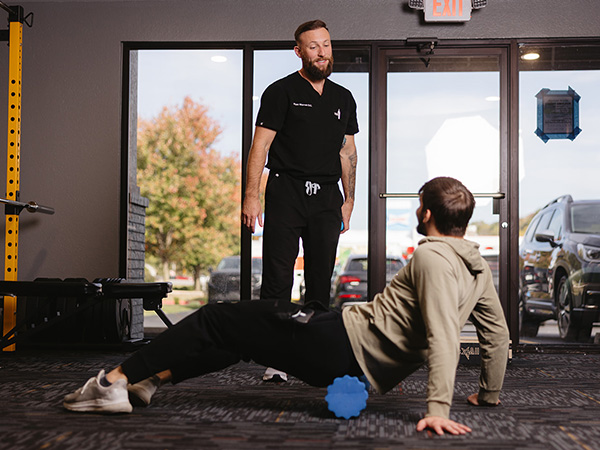
Core strengthening: Exercises that strengthen the abdominal and back muscles may help improve movement control and physical function.
Hip and leg strengthening: Stronger lower-body muscles can support everyday activities such as standing, walking, and climbing stairs.
Stationary cycling: Cycling may provide a comfortable way to maintain cardiovascular fitness because it often involves a slightly forward-leaning posture.
Walking programs: Short, manageable walking sessions with rest breaks may help maintain activity without repeatedly provoking severe symptoms.
Exercises should be adapted to the individual. A movement that helps one person may aggravate another person's symptoms.
Can Lifestyle Changes Help?
Maintaining regular physical activity, managing other health conditions, and adjusting activities that trigger symptoms can be useful parts of a broader treatment plan.
Some people benefit from using a supportive walking aid or taking planned sitting breaks during longer outings.
Lifestyle changes cannot eliminate spinal stenosis, but they may help people manage symptoms and stay active.
Can a Chiropractor Help Spinal Stenosis?
A chiropractor may help some people with lumbar spinal stenosis manage associated musculoskeletal discomfort and movement limitations, but chiropractic adjustments do not reverse the narrowing of the spinal canal.
The available evidence is more supportive of certain combined rehabilitation programs than of spinal manipulation alone as a treatment for stenosis.
For example, research on lumbar spinal stenosis has examined programs that combine exercise, education, and hands-on treatment. Some have shown improvements in symptoms and walking ability.
However, these findings do not establish that chiropractic manipulation, flexion-distraction, or mechanical spinal decompression independently provides lasting relief from nerve compression.
How Chiropractic Care May Fit Into a Treatment Plan
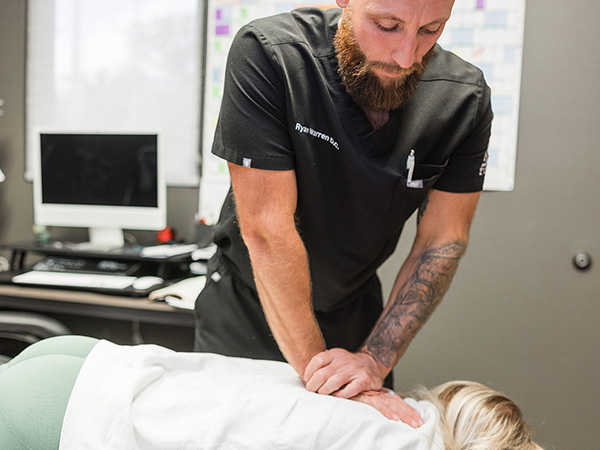
A chiropractor for spinal stenosis may assess movement-related symptoms and, when appropriate, contribute to a conservative care plan.
Depending on clinical findings and the practitioner's training, care may include gentle mobilization, exercise guidance, activity education, and management of associated muscle or joint discomfort.
Some chiropractic clinics also offer flexion-distraction or nonsurgical spinal decompression.
These techniques should not be described as proven methods for reversing spinal stenosis. Evidence of their specific effectiveness for this condition remains limited.
Is Chiropractic Care Safe for Spinal Stenosis?
Safety depends on the location and severity of the stenosis, neurological findings, and the treatment being considered.
A thorough assessment is important before any spinal manual therapy.
In particular, suspected cervical myelopathy or spinal cord compression requires medical evaluation, not cervical spinal manipulation.
Patients with worsening weakness, significant neurological changes, or emergency symptoms need appropriate medical care.
Chiropractic care should complement, rather than replace, necessary medical evaluation and treatment.
Practical Tips for Spinal Stenosis Pain Relief
Managing spinal stenosis often involves finding ways to remain active without repeatedly triggering severe symptoms.
The following strategies may help some people with lumbar spinal stenosis.
Take Short Breaks While Walking
If symptoms develop after standing or walking for a certain amount of time, try shorter activity periods with rest breaks.
Sitting briefly may ease symptoms and allow you to continue comfortably.
Choose Comfortable Low-Impact Activities
Stationary cycling, swimming, or other low-impact activities may be easier to tolerate than prolonged upright walking.
Choose activities based on your symptoms, physical abilities, and medical guidance.
Avoid Staying in One Position Too Long
Extended periods of standing may aggravate lumbar stenosis symptoms in some people.
Changing positions and taking regular breaks can make daily tasks more manageable.
Use Heat or Cold for Comfort
Heat may temporarily ease muscle stiffness, while cold packs may help with certain painful flare-ups.
Neither treatment changes the underlying spinal narrowing.
Use appropriate skin protection and avoid excessive temperatures, especially if you have reduced sensation.
Know When to Stop an Activity
Mild discomfort does not always mean an activity is harmful, but worsening numbness, weakness, or neurological symptoms should not be ignored.
Seek professional guidance if activities repeatedly cause significant symptoms or your walking ability continues to decline.
Chiropractic Care in Fayetteville, AR — Apex Spine Joint & Wellness
If you're experiencing persistent lower back discomfort, stiffness, or difficulty moving comfortably, getting a professional assessment can help you understand your treatment options.
Apex Spine Joint & Wellness, located in Fayetteville, Arkansas, is led by Dr. Ryan Warren. The practice offers chiropractic care and spinal decompression among its services.
Chiropractic care may be considered as part of a broader conservative management plan for selected patients with musculoskeletal symptoms. However, spinal stenosis requires careful assessment, particularly when nerve compression or neurological symptoms are suspected.
The clinic's services include:
If you have been diagnosed with lumbar spinal stenosis or are experiencing ongoing back or leg symptoms, contact the practice to ask about an evaluation and whether its available services may be appropriate for your situation.
Apex Spine Joint & Wellness
Location: Fayetteville, AR
Phone: +1 479-443-0800
Website: Chiropractor in Fayetteville, AR
Map: Apex Spine Joint & Wellness – Fayetteville, AR
Frequently Asked Questions About Spinal Stenosis
Can spinal stenosis get better without surgery?
Yes. Some people with lumbar spinal stenosis improve with exercise, physical therapy, activity changes, and other nonsurgical treatments. These approaches may reduce symptoms and improve function, although they do not usually reverse the physical narrowing of the spinal canal.
Is walking good for spinal stenosis?
Walking can be beneficial when it is comfortable and appropriately paced. People with lumbar spinal stenosis may need shorter walks with sitting breaks. If walking repeatedly causes severe leg symptoms, a healthcare professional can help develop a suitable activity program.
Can spinal stenosis cause permanent nerve damage?
Severe or prolonged nerve or spinal cord compression can sometimes cause lasting neurological problems. The risk depends on the location, severity, and underlying condition. New weakness, balance changes, or bladder and bowel symptoms require appropriate medical evaluation.
What exercises should you avoid with spinal stenosis?
There is no universal list of prohibited exercises. Some people with lumbar stenosis find prolonged back extension uncomfortable, while others tolerate it. Avoid movements that cause significant or worsening symptoms, and seek individualized guidance, especially if you have weakness or balance problems.
Can spinal stenosis be reversed?
Age-related structural narrowing generally cannot be reversed through exercise, medication, or chiropractic adjustments. However, symptoms can sometimes improve without surgery. Surgical decompression may enlarge the space around compressed nerves when medically indicated.
How long does spinal stenosis treatment take?
Treatment duration varies depending on symptom severity, neurological findings, the chosen treatment, and individual response. Some rehabilitation programs are delivered over several weeks, but improvement is not guaranteed within a specific timeframe. Your clinician should reassess progress and adjust the plan as needed.
Conclusion
Spinal stenosis is a narrowing of the spaces within the spine that may place pressure on nearby nerves or the spinal cord. While some people never develop symptoms, others experience back or neck discomfort, tingling, weakness, or difficulty walking.
Understanding what spinal stenosis is and how it affects your body can help you make informed decisions about treatment.
For many people with lumbar spinal stenosis, conservative approaches such as exercise, physical therapy, and activity modification can help improve comfort and function. Chiropractic care may have a supporting role for sele

Contact Us
Hours of Operation
- Monday 8:30am - 12:30pm | 3:00pm - 6:00pm
- Tuesday 8:30am - 12:30pm | 3:00pm - 6:00pm
- Wednesday 8:30am - 12:30pm | 3:00pm - 6:00pm
- Thursday 8:30am - 12:30pm | 3:00pm - 6:00pm
- Friday 8:30am - 12:30pm
- Saturday Closed
- Sunday Closed

© 2026 Apex Spine Joint & Wellness. All rights Reserved. Accessibility Statement - Privacy Policy - Sitemap
Powered by:
