

What Is a Bulging Disc? Symptoms, Causes, Treatment & Recovery

Table of Contents
- What Is a Bulging Disc?
- How Common Are Bulging Discs?
- What Causes Bulging Discs?
- Bulging Disc Risk Factors
- What Does a Bulging Disc Feel Like?
- Bulging Disc Symptoms by Location
- Is a Bulging Disc the Same as a Herniated Disc?
- Differences Between a Bulging Disc vs. Herniated Disc
- How Is a Bulging Disc Diagnosed?
- What Is the Treatment for a Bulging Disc?
- How to Heal a Bulging Disc Naturally
- How Long Does a Bulging Disc Take to Heal?
- When to See a Doctor About a Bulging Disc
- Bulging Disc Treatment at Apex Spine Joint & Wellness in Fayetteville, AR
- Conclusion
- Frequently Asked Questions
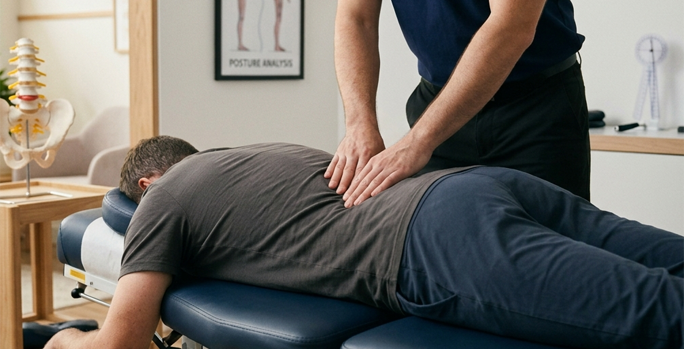
You bend down to pick up a laundry basket, and a dull ache settles into your lower back. A few days later, the discomfort starts traveling into your buttock or leg. Then an MRI report arrives with a phrase that raises more questions than answers: “Disc bulge at L4-L5.”
Does that mean your spine is damaged? Will you need surgery? Can the disc heal?
If you have been wondering what is a bulging disc, the answer is often less alarming than it sounds. A bulging disc develops when one of the cushions between your spinal bones extends beyond its usual boundaries. Many bulges cause no symptoms, and when pain does occur, conservative treatment is often the first step.
This guide explains what causes disc bulges, how to recognize symptoms, how they differ from herniated discs, and what you can do to manage discomfort and improve mobility.
What Is a Bulging Disc?
A bulging disc occurs when an intervertebral disc extends outward beyond the normal edges of the bones above and below it. The outward change usually involves a broad portion of the disc rather than one small, localized area.
Your spine contains 23 intervertebral discs that cushion the vertebrae and help your back bend, twist, and absorb everyday forces.
Each disc has two main parts:
- Annulus fibrosus: The strong, layered outer ring that helps hold the disc together.
Nucleus pulposus: The softer, gel-like center that helps distribute pressure.
Over time, a disc can lose some of its water content and flexibility. Changes in its structure may cause it to extend outward beyond its usual position.
A disc bulge does not necessarily mean the disc has ruptured. It also does not tell you whether the disc is painful.
Bulges most often become a clinical concern in the lower back or neck, where they may affect nearby nerves.
What Does a Bulging Disc Look Like?
Imagine a firm cushion placed between two flat surfaces. As its shape changes, part of the cushion may extend beyond the edges of those surfaces.
A bulging disc looks somewhat similar. On an MRI, its outer edge extends beyond the normal boundary of the disc space.
Radiologists generally use the term disc bulge when the outward extension involves more than 25% of the disc's circumference. A more localized displacement is classified differently.
The size and location matter, but they do not tell the whole story. Even a noticeable bulge may cause no discomfort if nearby nerves are unaffected.
How Common Are Bulging Discs?
Bulging discs are common, including in people who have never experienced back pain.
A 2015 systematic review published in the American Journal of Neuroradiology examined spinal imaging findings in 3,110 people without symptoms.
Researchers estimated that disc bulges appeared in:
Age | Estimated prevalence of disc bulges in people without pain |
20 years | 30% |
40 years | 50% |
60 years | 69% |
80 years | 84% |
These figures do not mean everyone with a bulge will eventually develop symptoms. They show that disc changes are often part of aging.
That is why an MRI finding alone should not determine treatment. Your symptoms, physical examination, and overall health matter just as much.
What Causes Bulging Discs?
If you are asking what causes bulging discs, the answer is usually a combination of natural disc changes and the forces placed on your spine over time.
Some people develop a bulge gradually without remembering any particular injury. Others notice symptoms after lifting, twisting, or another demanding movement.
Common bulging disc causes include:
1. Age-Related Disc Degeneration
As you get older, spinal discs tend to lose water and become less flexible. Their structure changes, and some discs begin to extend beyond their normal boundaries.
These changes do not always cause pain or require treatment.
2. Repetitive Physical Strain
Jobs or activities that involve frequent heavy lifting, bending, and twisting can place repeated demands on the spine.
These movements may contribute to disc problems, especially when combined with other risk factors.
3. Injury or Trauma
Falls, sports injuries, and motor vehicle accidents may damage spinal structures or trigger symptoms from an existing disc problem.
Not every episode of pain after an injury comes from a bulging disc, so an examination is important.
4. Genetic Factors
Your family history can influence how your spinal discs change with age.
Some people may be more likely to develop degenerative disc changes even when they remain physically active.
5. Changes in Spinal Loading
Extra body weight, repeated heavy loads, and certain work-related demands may increase stress on the lower back.
However, ordinary sitting or imperfect posture has not been proven to cause every disc bulge. There is rarely one movement or posture responsible for the entire problem.
Bulging Disc Risk Factors
Although bulging disc causes vary, several factors are associated with a greater likelihood of spinal disc problems:
Increasing age: Disc changes become more common over time.
Excess body weight: Additional weight can increase the demands placed on the lower spine.
Smoking: Smoking is associated with disc degeneration and may affect disc nutrition.
Family history: Genetics can influence disc health and susceptibility to degeneration.
Physically demanding work: Repeated lifting, twisting, and handling heavy materials may contribute to disc-related problems.
Previous injuries: Past spinal injuries may affect the condition of surrounding structures.
Limited physical activity: Low activity levels can reduce strength and physical capacity, making everyday movement harder to manage.
Not all these factors have the same level of evidence specifically for broad disc bulges. Many are better established for disc degeneration or herniation.
The good news is that some are manageable through regular movement, exercise, smoking cessation, and other healthy habits.
What Does a Bulging Disc Feel Like?
What does a bulging disc feel like? Some people feel a dull ache or stiffness in the neck or back. Others experience sharp, burning, or traveling pain when a nearby nerve becomes irritated.
Many people feel nothing at all.
When symptoms develop, they may include:
A deep, aching sensation in the lower back or neck
Stiffness after remaining in one position
Discomfort when bending or lifting
Pain that worsens with certain movements, coughing, or sneezing
Sharp or burning pain traveling into an arm or leg
Tingling, numbness, or unusual sensations
Muscle weakness when a nerve is affected
The symptoms depend on the location of the bulge and whether it contributes to nerve irritation.
For example, someone with a bulge in the lower back might feel pain while getting out of a car. Another person with a similar MRI finding may walk, exercise, and work without any discomfort.
A bulging disc is only one possible explanation for these symptoms. Muscle, joint, and other nerve conditions can cause similar problems.
Bulging Disc Symptoms by Location
The location of a disc bulge can affect where symptoms appear.
Bulging Disc Symptoms in the Lower Back
The lumbar spine carries substantial loads during everyday movement. Disc changes commonly occur at L4-L5 and L5-S1, two levels near the bottom of the spine.
Possible bulging disc symptoms lower back patients may notice include:
Aching or stiffness across the lower back
Pain spreading into the buttock or hip
Discomfort after prolonged sitting
Pain with bending, lifting, or certain movements
Tingling or numbness traveling down a leg
Weakness in the leg or foot if a nerve is significantly affected
If a bulging disc irritates a lumbar nerve root, it may contribute to sciatica. This commonly causes pain that travels from the lower back or buttock into one leg.
However, not all sciatica comes from a bulging disc, and not all lower back disc bulges cause sciatica.
Bulging Disc Symptoms in the Neck
A cervical disc bulge affects one of the discs in your neck.
Possible symptoms include:
Neck pain or stiffness
Discomfort around the shoulder blade
Pain traveling into the shoulder or arm
Tingling or numbness in the hand or fingers
Arm or hand weakness when a nerve is involved
Symptoms that spread into an arm, especially with weakness or numbness, deserve a professional assessment.
Bulging Disc Symptoms in the Mid-Back
Thoracic disc problems are less common than those in the neck or lower back.
When symptomatic, they may cause discomfort around the middle back, ribs, or chest wall.
Because chest and upper-back pain can have other important causes, new or unexplained chest pain should not automatically be blamed on a spinal disc.
Is a Bulging Disc the Same as a Herniated Disc?
Is a bulging disc the same as a herniated disc? No. Although the terms are sometimes used interchangeably, they describe different patterns of disc displacement.
A bulging disc involves a broad outward extension of disc tissue beyond its normal boundaries.
A herniated disc involves a more localized displacement of disc material.
A herniation may be called a protrusion or extrusion, depending on its shape.
A common explanation is that every bulge has an intact outer wall while every herniation involves a complete rupture. That is too simple. A bulge can occur alongside an annular fissure, and some herniations remain contained by outer tissues.
Both conditions can be painless or symptomatic. Their clinical importance depends on the affected structures, not simply the name on the MRI report.
Differences Between a Bulging Disc vs. Herniated Disc
Understanding the differences between a bulging disc vs herniated disc helps you make better sense of imaging results.
Factor | Bulging Disc | Herniated Disc |
Disc shape | Broad outward extension | More localized displacement |
Area involved | Usually more than 25% of the disc circumference | Generally less than 25% of the circumference |
Outer disc wall | May have degenerative changes or fissures | May be contained or involve disrupted outer tissues |
Symptoms | Often painless; may cause back or nerve symptoms | May be painless or cause back and nerve symptoms |
Nerve involvement | Possible, depending on location | Possible, depending on location |
Severity | Depends on symptoms and nerve effects | Depends on symptoms and nerve effects |
Initial treatment | Often conservative care | Often conservative care |
These differences follow established lumbar disc terminology recommendations.
Can a Bulging Disc Turn Into a Herniated Disc?
A disc with degenerative changes may develop a herniation, but a bulging disc does not automatically progress into one.
There is no reason to assume that every untreated bulge will become a serious injury.
Regular activity, strength-building, and appropriate care can help manage symptoms and maintain function, although no exercise program can guarantee that a disc will never change.
How Is a Bulging Disc Diagnosed?
A diagnosis begins with your symptoms and a physical examination, not simply an MRI report.
A healthcare provider may ask when the pain started, where it travels, which movements make it worse, and whether you have noticed numbness or weakness.
Physical Examination
Your provider may evaluate:
Spinal movement and flexibility
Muscle strength
Reflexes and sensation
Walking and balance
Signs of irritation involving nearby nerves
These findings help determine whether your symptoms are consistent with a disc-related problem.
MRI and Other Imaging Tests
An MRI can show spinal discs, nerves, and surrounding soft tissues.
However, an MRI is not always necessary when back pain first develops.
Clinical imaging guidelines generally discourage routine imaging for uncomplicated low back pain without warning signs. Imaging becomes more useful when symptoms persist, a significant nerve problem is suspected, or test results may change treatment.
An X-ray can help assess bones and alignment, but it cannot directly show a disc bulge the way an MRI can.
A key point to remember: finding a bulge on an MRI does not prove that it is causing your pain.
What Is the Treatment for a Bulging Disc?
What is the treatment for a bulging disc? For most people without serious nerve damage, treatment begins with non-surgical approaches designed to reduce pain, improve movement, and restore daily function.
The right plan depends on your symptoms, examination, medical history, and whether nerve compression is present.
Chiropractic Care
Chiropractic care may be considered for some people with mechanical low back pain, depending on the diagnosis and examination findings.
A chiropractor may use gentle joint mobilization, selected manual techniques, and advice about movement and exercise.
Manual therapy may help some people manage pain and improve movement, particularly when it is included in a broader exercise-based plan.
However, spinal adjustments have not been proven to push a bulging disc back into place. They are not appropriate for every patient, especially when significant neurological problems or other contraindications are present.
Physical Therapy and Therapeutic Exercise
Exercise-based rehabilitation is a central part of conservative back-pain management.
Depending on your symptoms, a physical therapist or qualified clinician may recommend exercises for:
Core and trunk strength
Hip mobility and strength
Walking tolerance
Gradual return to lifting
Movement confidence and daily function
Exercises should be adapted to your condition. A movement that helps one person may aggravate another.
Non-Surgical Spinal Decompression
Non-surgical spinal decompression uses a traction-based device to apply controlled pulling forces to the spine.
Some providers offer it for disc-related symptoms, but research has not established that it reliably shrinks a bulging disc or provides lasting relief.
Clinical guidelines do not recommend routine traction for low back pain with or without sciatica. If considering this treatment, discuss the evidence, potential risks, and alternatives with a qualified clinician.
Medication for Pain Relief
A healthcare professional may recommend short-term medication to help manage pain.
Options may include acetaminophen or nonsteroidal anti-inflammatory drugs (NSAIDs), depending on your health history.
NSAIDs are not suitable for everyone, particularly people with certain kidney, stomach, or cardiovascular problems. Ask your healthcare professional or pharmacist before using them.
Epidural Steroid Injections
For certain patients with severe nerve-related pain, a physician may consider an epidural steroid injection.
These injections may provide temporary symptom relief, but they do not repair the disc itself and are not routinely recommended for simple lower back pain without sciatica.
Surgery
Surgery is usually not the first treatment for an uncomplicated bulging disc.
A specialist may consider surgery when significant nerve compression causes persistent disabling symptoms despite appropriate non-surgical care, or when neurological function is worsening.
The decision depends on whether the symptoms, examination, and imaging findings match.
How to Heal a Bulging Disc Naturally
If you want to know how to heal a bulging disc naturally, focus first on reducing irritation, staying active, and improving the way your body handles everyday movement.
Natural recovery does not necessarily mean the disc returns to its original shape. It often means you can move comfortably and resume normal activities even if imaging still shows a bulge.
1. Keep Moving Within Your Comfort Level
Gentle activity, such as short walks, can help maintain mobility and prevent the loss of strength that comes with prolonged rest.
Start with manageable distances and increase them gradually.
Avoid forcing yourself through worsening pain, particularly pain that travels farther into your leg or arm.
2. Build Core and Hip Strength
Your trunk and hip muscles help support your spine during daily activities.
Depending on your symptoms, a clinician may suggest modified exercises such as bird dogs, bridges, or gentle core-stability movements.
These exercises should not be painful. Get individualized guidance if you have radiating pain, numbness, or weakness.
3. Change Positions Regularly
Sitting for hours can make an already uncomfortable back feel worse.
Try standing, walking, or changing positions during the workday.
There is no single perfect posture you must maintain all day. Comfortable movement and regular position changes are often more practical.
4. Practice Comfortable Lifting Habits
When lifting an object, keep it close to your body and use your hips and knees to share the effort.
Avoid suddenly lifting loads that exceed your current capacity.
As symptoms improve, gradually returning to normal lifting is usually more helpful than avoiding it forever.
5. Maintain a Healthy Weight
If you are carrying excess body weight, gradual weight management may reduce the demands placed on your lower back and improve your overall health.
Weight loss is not a guaranteed way to reverse disc changes, but it can be one useful part of long-term care.
6. Stop Smoking
Smoking is associated with poorer disc health and several other musculoskeletal problems.
Quitting supports your general health and may help reduce factors linked to further disc degeneration.
7. Find a Comfortable Sleeping Position
If lying on your back increases discomfort, try placing a pillow beneath your knees.
Side sleepers may find a pillow between the knees more comfortable.
Choose the position that allows you to rest without increasing pain.
8. Use Heat or Cold for Short-Term Comfort
An ice pack may help during a painful flare-up, while gentle heat may ease muscle tightness.
Wrap hot or cold packs in a towel and avoid applying them directly to the skin.
Neither option repairs a bulging disc, but both may help you manage discomfort while remaining active.
How Long Does a Bulging Disc Take to Heal?
There is no single recovery timeline for a bulging disc.
Some people notice improvement over a few weeks. Others with persistent nerve irritation or long-standing back pain may require several months of treatment and rehabilitation.
Recovery also depends on whether the bulge is actually responsible for the symptoms.
Does the Disc Need to Return to Normal?
Not necessarily.
Pain can decrease, nerve symptoms may settle, and mobility can improve even if the disc still looks abnormal on imaging.
That is why recovery is often measured by what you can do rather than whether a repeat MRI appears completely normal.
Signs of progress may include:
Less frequent pain
Better sleep
Greater walking or sitting tolerance
Improved strength and movement
Fewer interruptions to everyday activities
If symptoms are worsening or not improving as expected, your healthcare provider may reassess the diagnosis and treatment plan.
When to See a Doctor About a Bulging Disc
A medical evaluation is appropriate when back or neck pain is persistent, keeps returning, or interferes with normal activities.
You should also arrange an assessment if you experience pain traveling into an arm or leg, persistent tingling, numbness, or noticeable weakness.
When to Seek Emergency Medical Care
Seek emergency care immediately if you develop:
New difficulty starting urination or an inability to empty your bladder
Loss of bladder or bowel control
Numbness around the groin, genitals, or inner thighs
New or rapidly worsening leg weakness
Severe back pain following significant trauma, especially with neurological symptoms
Bladder changes, saddle numbness, and progressive weakness may indicate serious nerve compression, including cauda equina syndrome.
Back pain accompanied by fever, unexplained weight loss, or a history of cancer also requires prompt medical assessment.
Do not attempt exercises, chiropractic adjustments, or spinal decompression before urgent symptoms have been properly evaluated.
Bulging Disc Treatment at Apex Spine Joint & Wellness in Fayetteville, AR
If you're experiencing back pain, stiffness, or nerve-related symptoms from a bulging disc in Fayetteville, AR, Apex Spine Joint & Wellness offers chiropractic care and other non-surgical services that may be considered based on your individual needs.
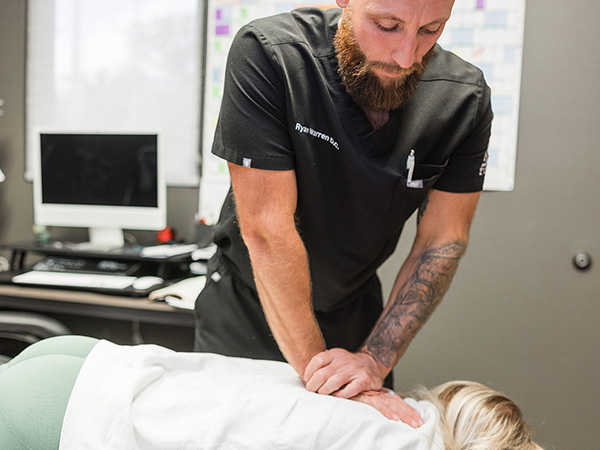
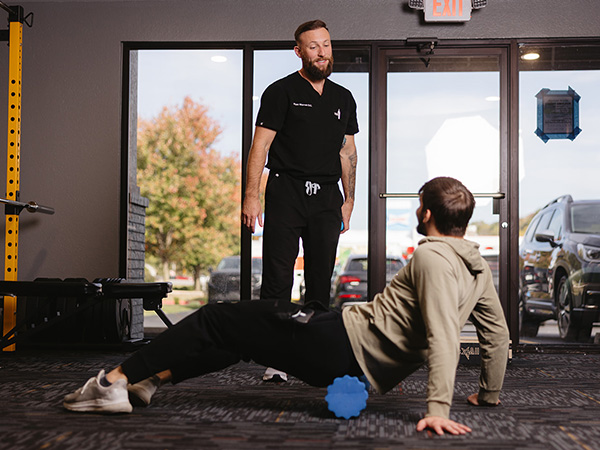
Led by Dr. Ryan Warren, the clinic provides chiropractic care, spinal decompression, rehabilitation exercises, SoftWave Therapy, and wellness-focused services to support musculoskeletal health and mobility.
The clinic offers several services designed to address different patient needs, including:
Not every bulging disc requires the same treatment. Care should begin with understanding the patient's symptoms, medical history, and examination findings rather than assuming a particular procedure will correct the disc.
Depending on the evaluation, Dr. Ryan Warren and the Apex team can discuss whether chiropractic care, exercise-based rehabilitation, spinal decompression, another available service, or referral for further medical evaluation is appropriate. Spinal decompression and SoftWave Therapy should not be assumed to repair a bulging disc, and evidence for these uses remains limited.
Book Your Appointment
Apex Spine Joint & Wellness
Location: Fayetteville, AR
Phone: +1 479-443-0800
Website: Chiropractor in Fayetteville, AR
Map: Apex Spine Joint & Wellness – Fayetteville, AR
Apex Spine Joint & Wellness is located in Fayetteville, Arkansas. Contact the clinic to discuss your symptoms, available treatment options, and the next appropriate step toward managing your back pain.
Conclusion
Understanding what is a bulging disc can make an MRI report feel less intimidating.
A bulging disc is a change in the shape of a spinal disc, and it does not always cause pain. When symptoms develop, they may range from mild stiffness to radiating nerve pain, depending on the location and structures involved.
Most people with uncomplicated disc-related symptoms begin with conservative care rather than surgery. Staying active, building strength, and getting an appropriate evaluation can help you make informed decisions about recovery.
The goal is not simply to change how a disc looks on an MRI. It is to help you move comfortably, manage your symptoms, and return to the activities that matter to you.
Frequently Asked Questions
Are bulging discs serious?
Most bulging discs are not serious, and many cause no symptoms. A bulge becomes more concerning when it contributes to significant nerve compression, persistent pain, numbness, or weakness. The symptoms and examination findings matter more than the MRI label alone.
How do you fix a bulging disc?
Treatment usually focuses on symptom relief and improved function rather than physically pushing the disc back into place. Depending on your condition, this may include exercise-based rehabilitation, activity changes, medication, and selected manual therapies. Surgery is considered only in specific circumstances.
Can a bulging disc heal on its own?
Yes, symptoms associated with a bulging disc can improve without surgery or intensive treatment. The disc may still appear bulged on imaging after pain settles. Feeling better and returning to normal movement are often more useful signs of recovery than a perfectly normal MRI.
What is the main cause of a disc bulge?
Age-related changes in disc structure are a common cause. Genetics, previous injuries, and repeated physical loading may also contribute. In many cases, there is no single event that explains why the bulge developed.
Can walking help a bulging disc?
Walking may help maintain mobility, physical conditioning, and confidence during recovery. Begin with short, comfortable walks and increase gradually. If walking causes increasing leg pain, numbness, or weakness, seek professional guidance.
Can I exercise with a bulging disc?
Many people can continue exercising with suitable modifications. Low-impact activity and gradual strengthening are often helpful, but the exercise plan should match your symptoms and physical abilities. Avoid movements that consistently worsen nerve symptoms.
Can a bulging disc come back after treatment?
Pain can return even after a period of improvement. This does not necessarily mean the disc has developed a new injury. Regular physical activity, strength training, and a gradual return to demanding tasks may help manage future episodes.
Is a bulging disc permanent?
A disc bulge may remain visible on an MRI for years, while symptoms improve or disappear. Some disc changes may also evolve over time. A lasting MRI finding does not automatically mean lasting pain or disability.
About the Author
Dr. Ryan Warren is the owner of Apex Spine Joint & Wellness in Fayetteville, Arkansas, where he combines chiropractic care with rehabilitation and performance-focused services. His clinical experience includes working with everyday patients and professional athletes, including Olympians and competitors in UFC and professional boxing.
Dr. Warren's patient-centered approach focuses on personalized care, mobility, physical performance, injury management, and long-term wellness.

Contact Us
Hours of Operation
- Monday 8:30am - 12:30pm | 3:00pm - 6:00pm
- Tuesday 8:30am - 12:30pm | 3:00pm - 6:00pm
- Wednesday 8:30am - 12:30pm | 3:00pm - 6:00pm
- Thursday 8:30am - 12:30pm | 3:00pm - 6:00pm
- Friday 8:30am - 12:30pm
- Saturday Closed
- Sunday Closed

© 2026 Apex Spine Joint & Wellness. All rights Reserved. Accessibility Statement - Privacy Policy - Sitemap
Powered by:
