

What Is Spinal Decompression? Benefits, Safety, Cost & What to Expect
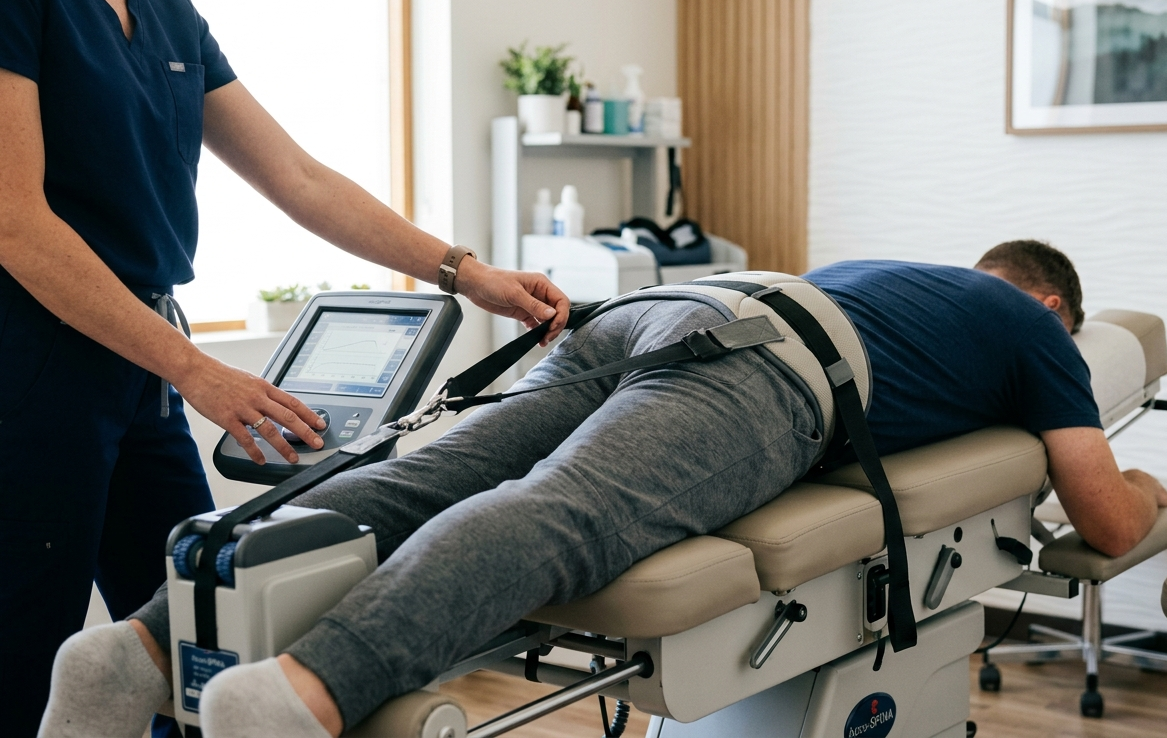
Table of Contents
- What Is Spinal Decompression?
- How Does Spinal Decompression Therapy Work?
- What Conditions May Be Considered for Spinal Decompression?
- Does Spinal Decompression Work?
- What Is the Success Rate of Spinal Decompression?
- What Are the Potential Benefits of Spinal Decompression?
- Is Spinal Decompression Safe?
- Does Spinal Decompression Hurt?
- What Happens During a Spinal Decompression Session?
- How Long Does Spinal Decompression Last?
- Spinal Decompression Exercises: Do They Help?
- Does Spinal Decompression Make You Taller?
- Spinal Decompression vs Surgical Decompression
- How Much Does Spinal Decompression Cost?
- Does Medicare Cover Spinal Decompression?
- When Should You Be Evaluated for Back or Neck Pain?
- Spinal Decompression at Apex Spine Joint & Wellness in Fayetteville, AR
- Frequently Asked Questions About Spinal Decompression
- Conclusion
- About the Author
If back or neck pain keeps returning despite rest, activity changes, or other conservative care, you may have heard about spinal decompression. But what is spinal decompression, and does it actually help?
Spinal decompression is a broad term for treatments designed to reduce pressure on structures in the spine, including irritated or compressed nerves. It can include nonsurgical approaches, such as mechanical traction, as well as surgical procedures that physically create more space around nerves. This article focuses mainly on nonsurgical spinal decompression therapy.
Nonsurgical decompression usually involves a specialized table that applies controlled traction to the spine. It may be considered for selected people with disc-related back or neck symptoms, especially when nerve irritation or radiating pain is involved.
The important point is that spinal decompression is not appropriate for every type of back pain, and it is not a proven method for permanently “repairing” spinal discs. A proper examination and diagnosis should come before treatment.
What Is Spinal Decompression?
Spinal decompression refers to treatment intended to reduce pressure affecting spinal nerves or other sensitive structures.
Cleveland Clinic describes spinal decompression as a group of treatments that relieve pressure on the neural structures of the spine. These approaches range from nonsurgical traction to surgical decompression procedures.
With nonsurgical spinal decompression, controlled traction is applied to the neck or lower back. Depending on the system being used, the pulling force may alternate between periods of tension and relaxation.
The goal is to temporarily change the mechanical forces acting on the spine and potentially reduce irritation associated with certain disc and nerve-related conditions.
Some decompression devices are marketed as creating “negative pressure” inside spinal discs. While biomechanical changes may occur during traction, current clinical evidence does not support the claim that decompression will permanently pull a herniated disc back into place or regenerate damaged discs.
A systematic review of patients with herniated discs found short-term improvements in pain and function with lumbar traction, but it did not find sufficient evidence that traction reduced the size of the herniated disc itself.
How Does Spinal Decompression Therapy Work?
During treatment, the patient typically lies on a mechanical table while controlled traction is applied to the spine.
Depending on the device and area being treated, a harness may be positioned around the pelvis, torso, or another part of the body. The provider selects the amount and pattern of traction according to the patient’s condition and tolerance.
Rather than thinking of decompression as “putting discs back into place,” it is more accurate to understand it as a form of mechanical unloading.
Traction may temporarily:
reduce compressive forces affecting certain spinal structures
change tension around joints and soft tissues
reduce irritation for some people with nerve-related symptoms
make movement more comfortable in selected cases
Research on mechanical traction is mixed, however. Some studies have reported short-term reductions in pain and disability for people with lumbar disc herniation, while long-term benefits remain less certain.
A 2025 systematic review examining exercise, manipulation, and traction for lumbar disc herniation also found improvement across conservative approaches, but the researchers reported substantial variation between studies and cautioned that more standardized research is needed.
What Conditions May Be Considered for Spinal Decompression?
Spinal decompression may be considered when symptoms are related to pressure or irritation involving spinal structures.
Cleveland Clinic identifies several conditions commonly associated with decompression treatment, including:
bulging discs
herniated discs
degenerative discs
pinched or compressed nerves
sciatica
spinal stenosis
Having one of these conditions does not automatically mean decompression is the right treatment.
Back and neck pain can come from many sources. Two people with similar MRI findings can also have very different symptoms.
A healthcare provider should consider the patient's symptoms, medical history, physical examination, neurological findings, and imaging when clinically appropriate before recommending treatment.
Does Spinal Decompression Work?
Does spinal decompression work? The most accurate answer is that it may help certain patients, particularly in the short term, but results are not universal.
Research on lumbar traction for herniated discs has found short-term improvements in pain and function compared with sham or no traction. However, those benefits have not consistently been demonstrated over the long term.
Another systematic review found that different traction methods produced similar short-term results among people with low back pain and lumbar radiculopathy, although the quality of evidence ranged from very low to low.
Older research specifically examining motorized spinal decompression concluded that evidence was not strong enough to establish its effectiveness for chronic disc-related low back pain because studies were small, inconsistent, and often methodologically weak.
More recent research is somewhat more encouraging for traction as part of conservative care, especially for lumbar disc herniation, but it still does not justify guarantees.
In practical terms, spinal decompression may be more reasonable for carefully selected patients than for anyone with general back pain.
What Is the Success Rate of Spinal Decompression?
There is no reliable universal success percentage for nonsurgical spinal decompression.
Claims that spinal decompression has a 70%, 80%, 90%, or similar success rate should be interpreted cautiously unless they refer to a clearly defined patient population, treatment protocol, outcome measure, and clinical study.
Studies use different definitions of “success.” One study might measure pain after several weeks, while another measures disability, walking ability, medication use, or long-term recurrence.
Research also includes different forms of traction and different patient populations, making a single percentage misleading.
The better question is whether your specific condition is one for which mechanical traction has reasonable evidence and whether measurable improvement occurs during treatment.
What Are the Potential Benefits of Spinal Decompression?
For appropriately selected patients, possible spinal decompression benefits may include:
short-term reduction in back or leg pain
decreased irritation associated with certain compressed nerves
improved ability to move or perform daily activities
a nonsurgical treatment option
the ability to combine treatment with exercise, rehabilitation, or other conservative care
A meta-analysis involving people with herniated lumbar discs found improvements in pain and function with mechanical traction, although the researchers did not find convincing long-term effects or meaningful evidence of disc-size reduction.
That distinction matters. Feeling better does not necessarily mean that a disc has physically “regenerated” or returned to its original shape.
Is Spinal Decompression Safe?
Is spinal decompression safe? For appropriately screened patients, mechanical traction is generally considered a conservative treatment, but it is not suitable for everyone.
Possible problems may include temporary soreness, muscle discomfort, or worsening of symptoms if traction is inappropriate for the person's condition.
Spinal decompression should not simply be started because someone has back pain.
Conditions such as fractures, significant spinal instability, severe bone weakness, certain cancers or infections affecting the spine, and some neurological problems may require a different approach.
Pregnant patients should also discuss their back pain and treatment options with an appropriate healthcare professional before considering traction or similar therapy. Cleveland Clinic specifically recommends individualized guidance during pregnancy rather than assuming every decompression method is appropriate.
Any new or worsening numbness, weakness, bowel or bladder changes, or rapidly progressing neurological symptoms should receive prompt medical evaluation.
Does Spinal Decompression Hurt?
Does spinal decompression hurt? Treatment should not normally cause severe pain.
Many patients experience traction as a gradual pulling or stretching sensation. The force should be adjusted according to comfort, body size, condition, and clinical response.
Some people may experience temporary soreness afterward.
Pain that becomes sharp, intense, or progressively worse should not simply be considered a normal part of treatment. Patients should tell their provider immediately so treatment can be stopped or modified.
What Happens During a Spinal Decompression Session?
A typical visit begins with positioning on the decompression or traction table.
Depending on the equipment, the patient may lie face-up or face-down. A harness or support system helps control the traction force.
The device then applies a measured pulling force to the targeted region of the spine.
Treatment protocols differ considerably among clinics, devices, and diagnoses. For that reason, there is no medically established rule that every patient needs the same number of sessions or the same treatment duration.
Your provider should explain:
why decompression is being recommended
which area of the spine is being treated
how progress will be measured
what symptoms should improve
when the plan will be reassessed
A treatment plan should change if the patient is not progressing as expected.
How Long Does Spinal Decompression Last?
The question how long does spinal decompression last can mean two different things: how long a treatment session lasts and how long symptom improvement lasts.
Session length depends on the treatment system and clinical plan. There is no universal evidence-based time that applies to every decompression device.
The duration of symptom relief also varies.
Some people experience temporary improvement, while others may have longer-lasting changes when decompression is part of a broader rehabilitation strategy.
Research supporting traction is stronger for short-term improvement than for long-term benefit. A systematic review of traction for herniated discs found meaningful short-term improvements but did not establish significant long-term benefits.
Long-term management may therefore involve more than passive decompression alone.
Spinal Decompression Exercises: Do They Help?
Spinal decompression exercises are movements intended to improve mobility, strength, posture, or tolerance to spinal loading.
They are not the same thing as mechanical spinal decompression.
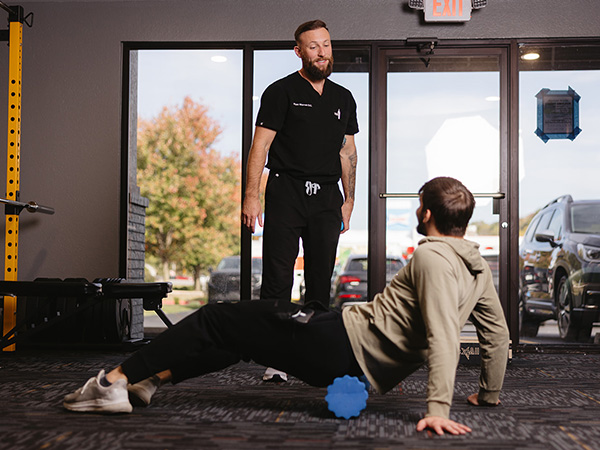
Exercise can still be an important part of conservative back care because stronger and better-coordinated muscles may support movement and function.
Cleveland Clinic includes physical therapy and therapeutic exercises among nonsurgical options that may be considered for back pain.
The appropriate exercise depends on the diagnosis.
For example, an exercise that feels helpful for one person with low back pain could aggravate symptoms in someone with a different condition.
Rather than relying on generic online stretches, patients with persistent back pain, radiating pain, weakness, or neurological symptoms should have exercises selected according to their individual presentation.
Does Spinal Decompression Make You Taller?
A common question is: does spinal decompression make you taller?
It does not permanently increase the length of your bones or permanently make you taller.
Spinal discs naturally change slightly throughout the day as they experience loading and unloading. This is one reason a person's measured height can vary slightly between morning and evening.
Traction may temporarily unload the spine, but that is different from permanently increasing height.
Spinal decompression should therefore be viewed as a therapeutic approach for selected spinal conditions, not as a height-increasing treatment.
Spinal Decompression vs Surgical Decompression
The phrase “spinal decompression” can also refer to surgery, so it is important to distinguish the two.
Nonsurgical decompression generally uses traction to apply controlled mechanical force.
Surgical spinal decompression physically removes or modifies structures that are placing pressure on spinal nerves.
Examples of surgical decompression described by Cleveland Clinic include:
discectomy
laminectomy or laminotomy
foraminotomy or foraminectomy
removal of bone spurs
corpectomy in selected cases
Surgery may be considered when conservative treatment does not help or when significant nerve compression or neurological problems require more direct treatment.
The right approach depends on the diagnosis, severity of symptoms, neurological findings, overall health, and response to conservative care.
How Much Does Spinal Decompression Cost?
How much does spinal decompression cost? There is no trustworthy nationwide price that applies to every patient or clinic.
Pricing can vary according to:
geographic location
the type of decompression equipment used
length and number of visits
whether examinations or other services are included
insurance benefits
whether treatment is combined with other care
Because the number of sessions should depend on the patient's clinical needs, multiplying an advertised “per-session price” may not give an accurate estimate of the total cost.
Before beginning care, ask the clinic for the expected treatment plan and your estimated financial responsibility.
Apex Spine Joint & Wellness also publishes information about patients' ability to request a Good Faith Estimate for non-emergency care when applicable.
Does Medicare Cover Spinal Decompression?
Medicare coverage requires an important distinction between covered chiropractic manipulation and traction.
CMS states that Medicare's chiropractic benefit is limited to qualifying manual manipulation of the spine for spinal subluxation. Other services provided by chiropractors, including traction, are excluded from Medicare chiropractic coverage.
Medicare.gov similarly explains that Part B chiropractic coverage applies only to qualifying spinal manipulation and does not broadly cover additional chiropractic services.
Medicare Advantage and other insurance benefits may differ, so patients should verify their specific plan and expected out-of-pocket cost before beginning treatment.
When Should You Be Evaluated for Back or Neck Pain?
Not every episode of back discomfort requires spinal decompression.
Cleveland Clinic advises seeking healthcare evaluation when back pain does not improve with basic conservative measures or when current treatment is not helping.
An evaluation may be particularly useful when pain:
keeps returning
travels into an arm or leg
is associated with numbness or tingling
interferes with work, sleep, walking, or daily activities
has not responded as expected to initial conservative care
Progressive weakness, significant neurological changes, or bowel or bladder symptoms require more urgent medical attention.
Spinal Decompression at Apex Spine Joint & Wellness in Fayetteville, AR
For patients considering nonsurgical spinal decompression in Fayetteville, Apex Spine Joint & Wellness offers spinal decompression as one of its current treatment options.
The clinic's website also lists chiropractic care, rehabilitation and physical therapy, SoftWave Therapy, and wellness-focused services.
The clinic offers several services designed to address different patient needs, including:
Treatment should begin with determining what is contributing to the patient's symptoms rather than assuming decompression is automatically appropriate.
Depending on the findings, Dr. Ryan Warren and the Apex team can discuss whether spinal decompression, chiropractic care, rehabilitation, another available service, or referral for further medical evaluation makes the most sense for the individual situation.
Book Your Appointment
Apex Spine Joint & Wellness
Location: Fayetteville, AR
Phone: +1 479-443-0800
Website: Chiropractor in Fayetteville, AR
Map: Apex Spine Joint & Wellness – Fayetteville, AR
Apex Spine Joint & Wellness is located in Fayetteville, Arkansas. The clinic's current website confirms its phone number and Fayetteville office location.
Frequently Asked Questions About Spinal Decompression
Does spinal decompression really work?
It can help certain patients, particularly those with specific disc-related or nerve-related conditions. Research shows possible short-term improvement in pain and function with lumbar traction, but results vary, and evidence for lasting benefit is less certain.
Is spinal decompression safe?
It can be appropriate for carefully screened patients, but it is not right for everyone. Existing health conditions, spinal stability, neurological findings, pregnancy, previous procedures, and the cause of pain should be considered before treatment.
Does spinal decompression hurt?
Treatment should not normally cause severe pain. Patients may feel pulling or stretching, and some may experience temporary soreness. Sharp or worsening pain should be reported to the provider.
What is the success rate of spinal decompression?
There is no scientifically established universal success rate for nonsurgical spinal decompression. Results depend on diagnosis, patient selection, treatment method, outcome being measured, and follow-up period.
How long does spinal decompression last?
There is no fixed duration of benefit. Research is more supportive of short-term pain and function improvement than guaranteed long-term results. Ongoing exercise, rehabilitation, activity modification, and management of the underlying condition may influence longer-term outcomes.
Does spinal decompression make you taller?
No. Spinal unloading can temporarily change disc compression and measured height slightly, but spinal decompression does not permanently lengthen the bones of the spine or permanently increase height.
Are spinal decompression exercises the same as decompression therapy?
No. Exercises use active movement to improve strength, mobility, or function. Mechanical decompression uses an external traction force. Depending on the patient's condition, both may be included in a broader conservative treatment plan.
Conclusion
So, what is spinal decompression?
It is a broad group of treatments designed to reduce pressure affecting structures in the spine. Nonsurgical spinal decompression usually involves controlled mechanical traction and may provide short-term pain and functional improvement for some carefully selected patients, particularly those with certain disc-related conditions.
It is not a guaranteed cure; it does not permanently increase height, and there is no credible universal success percentage.
The most important step is determining why the pain is occurring and whether decompression fits the diagnosis.
If persistent back or neck symptoms are affecting your daily activities, Apex Spine Joint & Wellness in Fayetteville offers spinal decompression along with chiropractic care and other conservative treatment options. An evaluation can help determine which available approach is appropriate for your individual condition.
About the Author
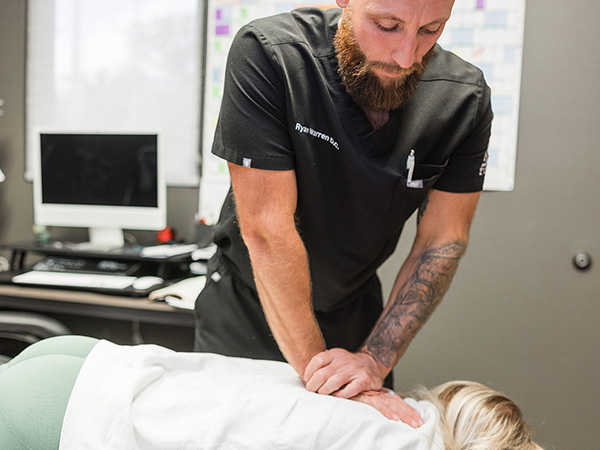
Dr. Ryan Warren, D.C., is the owner of Apex Spine Joint & Wellness in Fayetteville, Arkansas. His clinic combines chiropractic care with rehabilitation and other treatment options for a wide range of patients. The clinic's current biography also notes Dr. Warren's experience working with professional athletes, including Olympians and competitors in the UFC and professional boxing.

Contact Us
Hours of Operation
- Monday 8:30am - 12:30pm | 3:00pm - 6:00pm
- Tuesday 8:30am - 12:30pm | 3:00pm - 6:00pm
- Wednesday 8:30am - 12:30pm | 3:00pm - 6:00pm
- Thursday 8:30am - 12:30pm | 3:00pm - 6:00pm
- Friday 8:30am - 12:30pm
- Saturday Closed
- Sunday Closed

© 2026 Apex Spine Joint & Wellness. All rights Reserved. Accessibility Statement - Privacy Policy - Sitemap
Powered by:
